Choosing how to replace missing teeth involves more than comparing prices or appearance. The right option depends on the number of missing teeth, the condition of the surrounding teeth and gums, jawbone health, lifestyle, and long-term oral health goals.
G4 Dental Implants provides information and treatment options for patients considering implant-based tooth replacement. Understanding how implants compare with dentures, bridges, and other approaches can help patients have more informed conversations with their dental provider.
What Are the Main Alternatives to Dental Implants?
Dental implants are not the only way to replace missing teeth. Depending on a person’s oral health and treatment needs, alternatives may include dental bridges, removable dentures, implant-supported dentures, and full-arch implant treatments.
Each approach has different requirements and benefits. A dentist typically considers factors such as the number of missing teeth, bone support, gum health, existing restorations, ability to maintain oral hygiene, and the patient’s preferences before recommending a treatment.
For patients researching Dental Implants in Tysons, understanding these differences can make the consultation more productive.
Dental Bridges
A dental bridge can replace one or several missing teeth by using adjacent teeth as support. The replacement tooth, or teeth, is positioned between crowns that attach to the neighbouring teeth.
Bridges are fixed in the mouth, so patients do not remove them for daily activities. However, the supporting teeth need to be healthy enough to carry the restoration. Cleaning underneath and around the bridge is also an important part of maintaining oral hygiene.
Bridges may be considered when a patient has suitable neighbouring teeth and does not want or cannot receive dental implants.
Removable Dentures
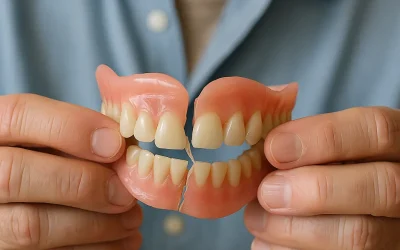
Dentures are another established option for replacing missing teeth. They can replace several teeth or an entire arch, depending on the type selected.
Unlike fixed bridges or individual implants, removable dentures can be taken out for cleaning. They may be useful for patients who have extensive tooth loss or who need a non-surgical replacement option.
Traditional dentures rely primarily on the shape of the mouth and surrounding tissues for stability. Changes in the gums and jawbone over time can affect their fit, which means adjustments or replacement may eventually be necessary.
Are Dental Implants Always the Best Choice?
Dental implants can provide a stable foundation for tooth replacement, but they are not automatically appropriate for every patient. Implant treatment involves surgery and requires adequate bone support and healthy oral tissues.
Certain patients may require additional treatment before implants can be placed. A dental evaluation can determine whether implant placement is appropriate and whether procedures such as bone augmentation or periodontal treatment may be needed.
The decision should therefore be based on individual clinical factors rather than simply choosing the treatment that appears most advanced.
How Do Implant-Supported Options Compare With Traditional Dentures?
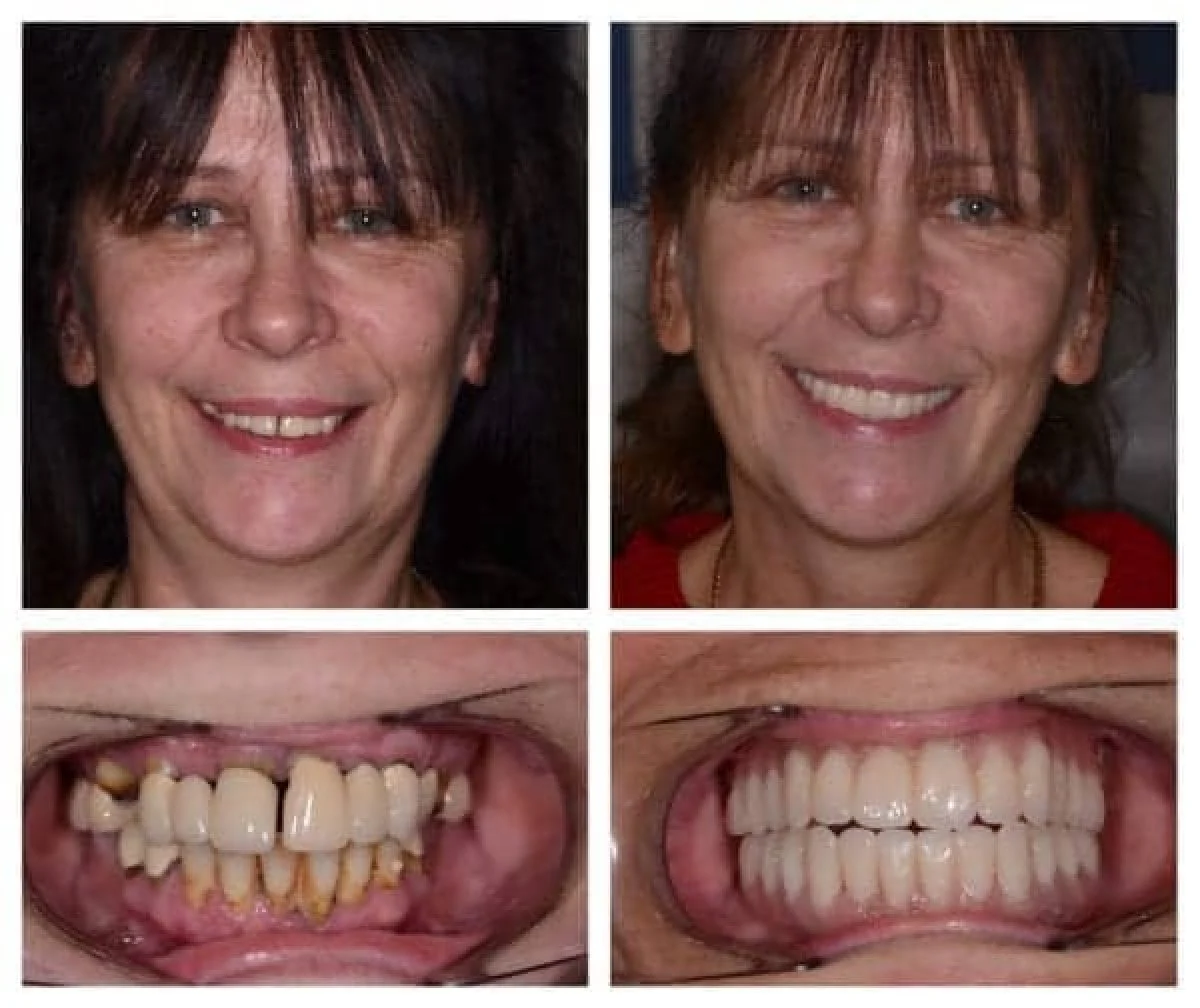
Implant-supported restorations combine implants with a removable or fixed dental prosthesis. The implants provide additional support, which can help reduce movement compared with conventional removable dentures.
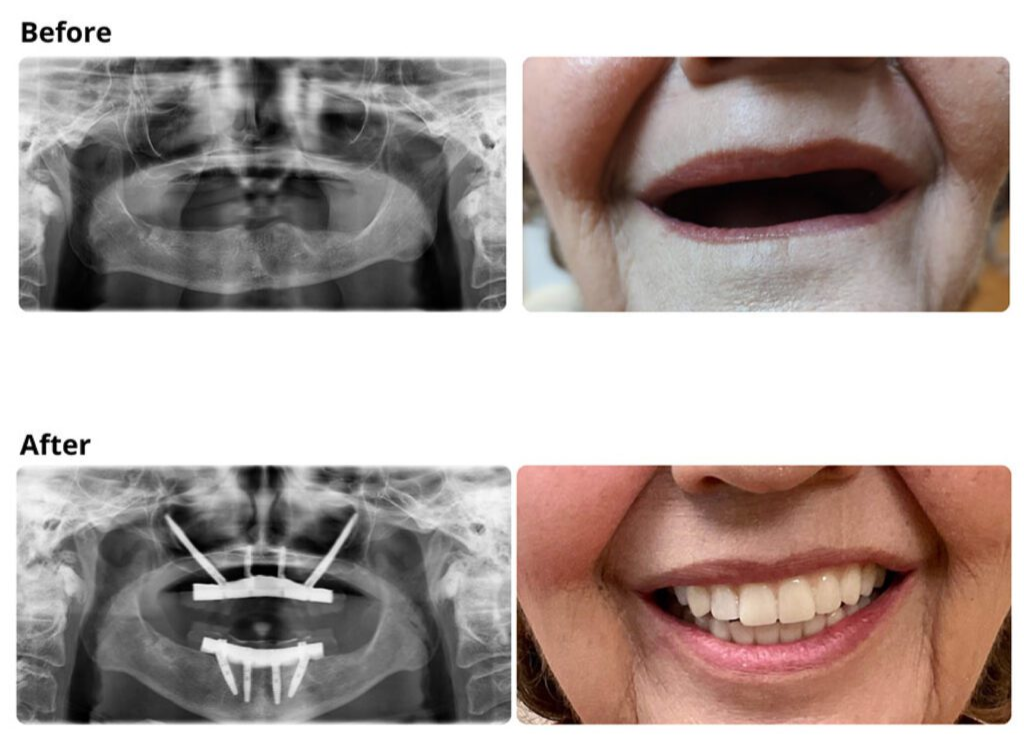
For patients who have lost most or all of their teeth, full-arch implant solutions may be discussed. One example is All on Four Dental Implants, which uses four strategically positioned implants to support a full-arch restoration in appropriate cases.
This approach differs from conventional dentures because the restoration is supported by dental implants rather than relying solely on the gums and underlying tissues.
Whether this option is suitable depends on factors such as bone anatomy, overall oral health, remaining teeth, and the patient’s treatment objectives.
Factors to Consider When Choosing a Tooth Replacement
There is no single replacement option that works equally well for everyone. Patients can discuss several factors with their dentist before making a decision.
Number and Location of Missing Teeth
Replacing one missing tooth may require a different approach from replacing an entire arch. A bridge or individual implant may be considered for a single missing tooth, while dentures or full-arch solutions may be more relevant when multiple teeth are missing.
The location of the missing tooth also matters because front and back teeth have different functional and aesthetic considerations.
Jawbone and Gum Health
Healthy gums and sufficient bone are important considerations for implant treatment. Tooth loss can cause gradual changes in the jawbone, and the amount of available bone may influence implant planning.
Patients with gum disease may need periodontal care before certain restorative treatments can proceed.
Maintenance Requirements
Every tooth replacement option requires regular care. Dentures need to be removed and cleaned according to dental instructions. Bridges require careful cleaning around the supporting teeth. Implants also require daily oral hygiene and professional dental examinations.
Considering the maintenance routine associated with each option can help patients choose something they can comfortably manage over time.
Longevity and Future Treatment
The expected lifespan of a restoration varies according to the treatment, oral hygiene, biting forces, general health, and regular dental care. Patients should ask about potential maintenance, repairs, adjustments, and replacement when comparing different options.
Thinking about future needs is particularly important for people with extensive tooth loss because oral structures can change over time.
What Happens During a Tooth Replacement Consultation?
A consultation generally begins with a review of dental and medical history. The dentist may examine the teeth, gums, bite, and areas affected by tooth loss.
Depending on the situation, dental imaging may be used to evaluate the jawbone and surrounding structures. The dentist can then discuss suitable treatment options and explain their respective advantages, limitations, maintenance requirements, and expected process.
Patients should feel comfortable asking questions about healing time, treatment stages, costs, alternatives, and what may happen if a particular option is not selected.
Choosing Between Implants, Dentures, and Bridges
The best choice is usually the option that fits the patient’s clinical needs, preferences, and ability to maintain the restoration.
Dental implants may be considered when a patient wants a fixed replacement and has suitable conditions for implant treatment. Bridges can be an option when healthy neighbouring teeth are available for support. Dentures may provide a removable solution for patients with multiple or complete tooth loss.
For some patients, a combination approach may make sense. The goal is not simply to replace visible teeth but to restore oral function while considering long-term dental health.
Patients interested in understanding their available treatment options can Contact us to arrange a discussion with the dental team.