When conventional dental implants are not possible because of severe bone loss in the upper jaw, zygomatic dental implants may provide another treatment option. Unlike traditional implants, these longer implants are anchored in the cheekbone, also called the zygomatic bone, rather than relying primarily on the jawbone.
G4 Dental Implants provides implant-focused dental care for patients who need solutions for missing teeth and complex tooth replacement needs. Understanding how zygomatic implants work can help patients have more informed discussions with an implant dentist about whether this approach is appropriate for their situation.
What Are Zygomatic Dental Implants?
Zygomatic dental implants are specialized implants designed for patients who have significant bone loss in the upper jaw. A conventional dental implant is generally placed into the jawbone, where it gradually integrates with the surrounding bone. However, advanced bone loss can leave insufficient bone for stable implant placement.
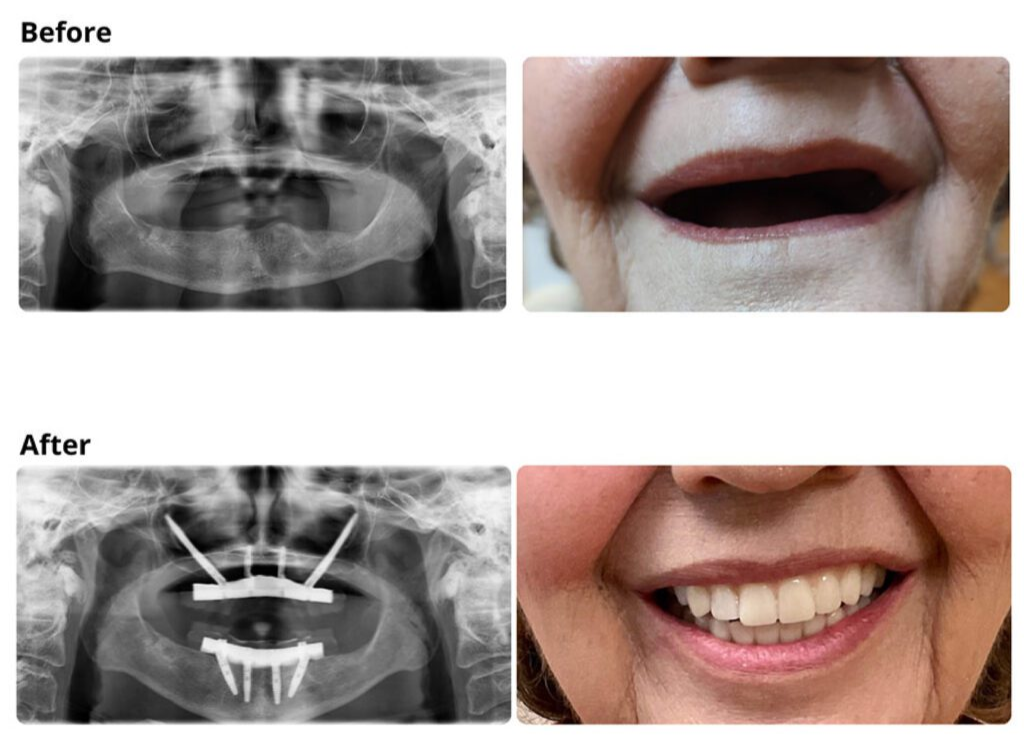
Zygomatic implants take a different approach. They are longer than conventional implants and are anchored into the zygomatic bone, which is denser and located in the cheek area. This allows the implant to obtain support even when the upper jaw has experienced substantial bone deterioration.
The technique is considered more complex than conventional implant treatment. For this reason, proper examination, imaging, treatment planning, and assessment of overall oral health are important before a patient is considered for the procedure.
Why Might Someone Need Zygomatic Implants?
Severe bone loss can occur for several reasons. Long-term tooth loss is one common factor because the jawbone can gradually shrink when tooth roots no longer stimulate it. Other factors can include advanced periodontal disease, previous dental procedures, trauma, or anatomical limitations.
For some patients, conventional implants may require additional procedures, such as bone grafting or sinus augmentation, before adequate implant support can be achieved. Zygomatic implants may be considered when there is not enough bone in the upper jaw for conventional implant placement or when a patient is looking for an alternative to extensive bone-grafting procedures.
Patients considering Dental Implants in Tysons Corner can discuss their bone structure, tooth loss, and treatment options with an appropriately qualified dental professional.
Who May Be a Candidate for Zygomatic Dental Implants?
Not everyone with missing teeth or bone loss requires zygomatic implants. Candidacy depends on individual anatomy, oral health, medical history, and treatment goals.
Severe Upper Jaw Bone Loss
A major consideration is the amount and location of available bone in the upper jaw. Patients with severe bone resorption may not have enough bone to securely support conventional implants. Zygomatic implants can sometimes provide an alternative because they use the zygomatic bone for anchorage.
Extensive Tooth Loss
Patients who have lost many or all of their upper teeth may require a comprehensive tooth-replacement plan. Depending on their circumstances, zygomatic implants may form part of a full-arch rehabilitation strategy.
Patients With Limited Conventional Implant Options
Some patients may have already been told that traditional implants would require extensive grafting or may not be suitable because of their anatomy. A specialist evaluation can determine whether zygomatic implants or another approach is more appropriate.
A consultation does not automatically mean that zygomatic implants will be recommended. Diagnostic imaging and a detailed assessment are needed to determine the safest treatment approach.
What Happens During Zygomatic Implant Treatment?
Treatment generally begins with an examination and detailed imaging. Three-dimensional scans may be used to evaluate the jaw, sinuses, facial structures, and zygomatic bone. This information helps the dental team plan implant positioning.
During the procedure, the longer implant is placed through the upper jaw region and anchored into the zygomatic bone. Depending on the treatment plan, several implants may be used to support a fixed restoration.
The type and timing of the replacement teeth can vary. In some cases, a temporary restoration may be provided while healing and integration occur. The final restoration is typically designed after the dental team evaluates healing and implant stability.
Because zygomatic implant placement involves structures close to the sinus and other important facial anatomy, careful planning and appropriate clinical expertise are particularly important.
What Can Patients Expect During Recovery?
Recovery varies between patients and depends on the number of implants placed, the type of restoration used, and the individual’s overall health.
Swelling, bruising, tenderness, and temporary difficulty with normal activities can occur after implant surgery. Patients are generally given specific postoperative instructions regarding oral hygiene, eating, medications, and activity levels.
Follow-up appointments allow the dental team to monitor healing and assess the implants and restoration. Patients should follow their provider’s instructions closely and report unusual or persistent symptoms.
It is also important to understand that implant treatment is not a single event. Long-term success depends on appropriate maintenance, regular dental examinations, good oral hygiene, and care of the final restoration.
Are Zygomatic Implants Different From Conventional Implants?
The main difference is where the implants obtain their structural support. Conventional implants are generally anchored in the jawbone, while zygomatic implants use the zygomatic bone.
Zygomatic implants are also considerably longer and require specialized treatment planning. They are typically considered for more complex cases involving significant upper-jaw bone loss rather than as a routine alternative for every missing tooth.
The right treatment depends on the patient’s anatomy and clinical needs. Some patients may still be better candidates for conventional implants, bone grafting, removable dentures, or another restorative approach.
How Do Zygomatic Implants Compare With Dentures and All-on-4?
Treatment options can differ considerably depending on bone availability and the number of missing teeth.
Dentures are removable appliances that replace missing teeth and surrounding structures. They do not require surgical implant placement, but they may have different stability and maintenance considerations compared with implant-supported restorations.
All-on-4 Dental Implants use four strategically positioned implants to support a full-arch restoration. Whether All-on-4, conventional implants, zygomatic implants, dentures, or another treatment is suitable depends on factors such as bone anatomy and the patient’s restorative requirements.
A detailed examination is therefore more useful than choosing a treatment based only on the name of the procedure.
What Are the Potential Risks?
As with other surgical implant procedures, zygomatic implants have potential risks. These can include infection, implant failure, discomfort, swelling, sinus-related complications, and problems involving nearby anatomical structures.
Because the zygomatic bone is located near the sinus and other important structures, treatment planning is particularly important. Patients should discuss potential complications, expected benefits, alternatives, and the anticipated recovery process with their dental provider before treatment.
Discuss Your Tooth Replacement Options
Zygomatic dental implants are a specialized option for patients with significant upper-jaw bone loss who may not have enough bone for conventional implants. They differ from traditional implants in their anchorage, surgical technique, and treatment planning requirements.
If you want to understand whether this approach may be relevant to your circumstances, contact G4 Dental Implants to arrange a consultation and discuss your available treatment options with the dental team.