Missing most or all of your teeth can affect much more than your smile. It can make eating difficult, change the way you speak, reduce your confidence, and even impact your overall oral health. Fortunately, modern dentistry continues to advance, making Full Mouth Dental Implants one of the most reliable and long-lasting tooth replacement solutions available in 2026.
At G4 Dental Implants, patients receive care from experienced professionals who focus exclusively on advanced implant dentistry. Led by Dr. Fadi Alharashi, an experienced implant dentist at the Tysons Corner location, the team combines advanced technology with specialised expertise to deliver personalised treatment solutions. As a dedicated dental implant clinic, the team works closely with every patient to assess their oral health, discuss suitable treatment options, and create a customised treatment plan designed for long-term success. Every dental specialist is committed to restoring both function and appearance while prioritising patient comfort throughout the treatment journey.
This guide explains everything you need to know about Full Mouth Dental Implants, including who they are suitable for, how the procedure works, recovery expectations, benefits, and long-term care.
What Are Full Mouth Dental Implants?
Full Mouth Dental Implants are a permanent solution for replacing an entire upper arch, lower arch, or both when natural teeth are missing or cannot be saved.
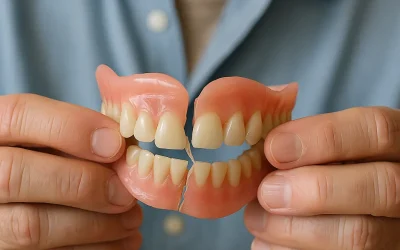
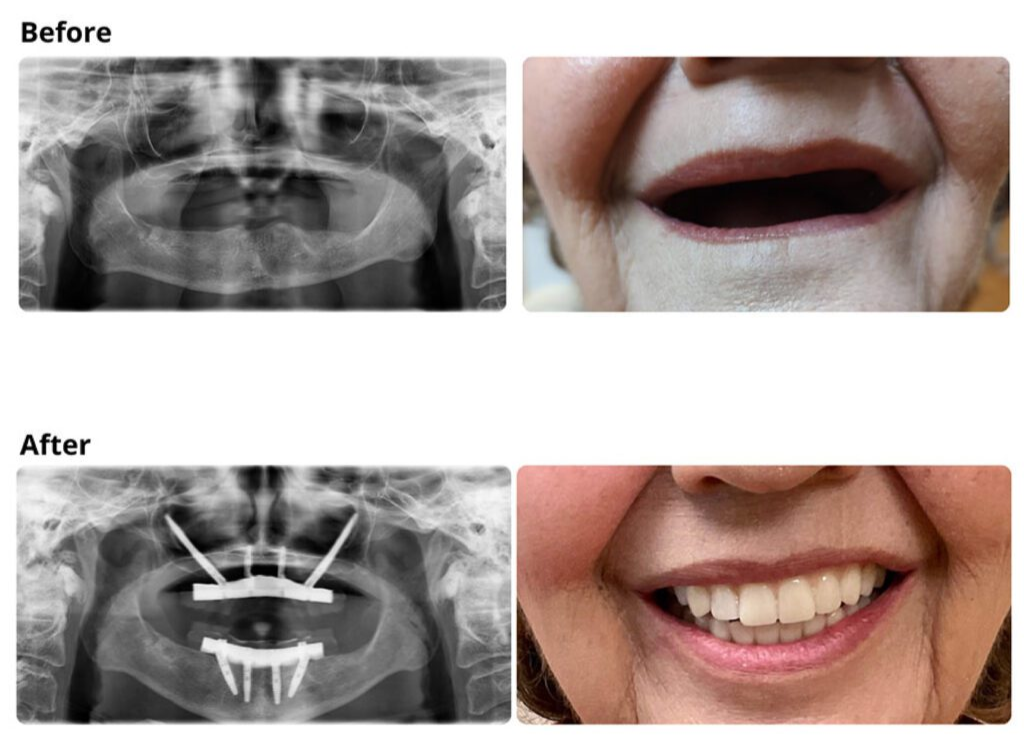
Unlike removable dentures, Dental Implants are securely placed into the jawbone where they function as artificial tooth roots. These implants support a fixed bridge or full arch prosthesis that closely resembles natural teeth in both appearance and function.
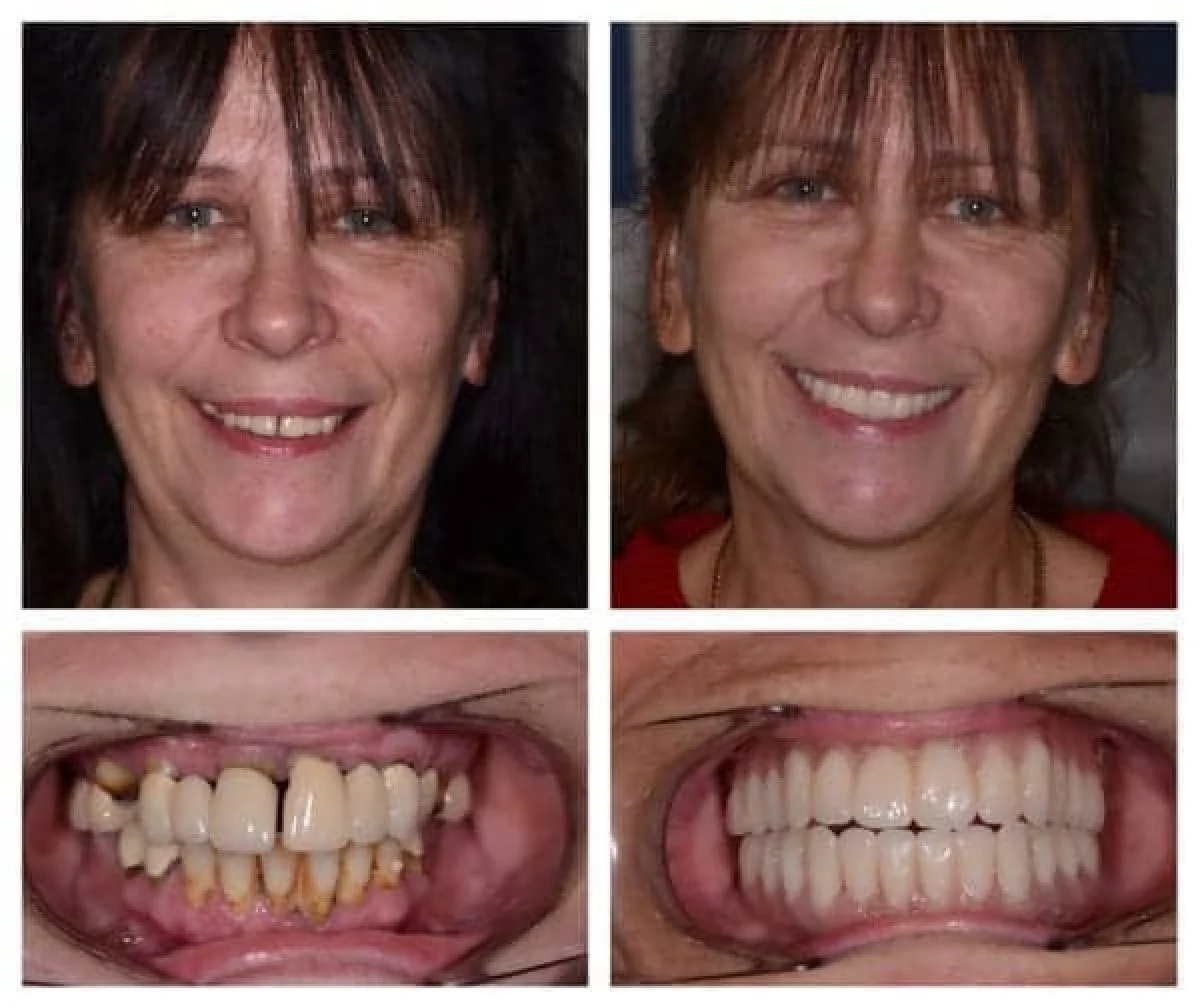
The result is a stable, durable restoration that allows patients to eat, speak and smile with greater confidence.
Why More Patients Are Choosing Dental Implants in 2026
Dental implant technology has evolved significantly over the past decade. Today’s treatment techniques provide greater precision, shorter recovery times, and improved long-term success rates.
Some of the key reasons patients choose Dental Implants include:
- Permanent tooth replacement
- Improved chewing ability
- Better speech
- Natural-looking appearance
- Preservation of jawbone structure
- Greater comfort than removable dentures
Many patients also appreciate that implant-supported restorations eliminate the need for adhesives commonly used with traditional dentures.
Who Is a Good Candidate for Full Mouth Dental Implants?
Not everyone requires the same treatment approach. A consultation with a qualified Dental Specialist helps determine whether implants are the right solution.
Generally, suitable candidates include people who:
- Have multiple missing teeth
- Have severely damaged teeth that cannot be restored
- Experience loose or uncomfortable dentures
- Have adequate jawbone or are suitable for bone grafting
- Maintain good oral hygiene
- Are in good general health
Even patients who have experienced bone loss may still qualify thanks to modern bone augmentation techniques and advanced implant planning.
Common Reasons People Need Full Mouth Dental Implants
Patients may require full mouth restoration for several reasons.
Advanced Tooth Decay
Extensive decay affecting multiple teeth may make restorations impractical, making implants a more predictable long-term solution.
Severe Gum Disease
Untreated periodontal disease can weaken the supporting bone around teeth, eventually leading to tooth loss.
Dental Trauma
Accidents and facial injuries can result in significant tooth damage that requires complete rehabilitation.
Long-Term Denture Problems
Many denture wearers eventually seek a more secure and comfortable alternative because of movement, discomfort or reduced chewing efficiency.
The Full Mouth Dental Implant Process
Understanding each stage of treatment helps patients feel more confident about the journey ahead.
Initial Consultation
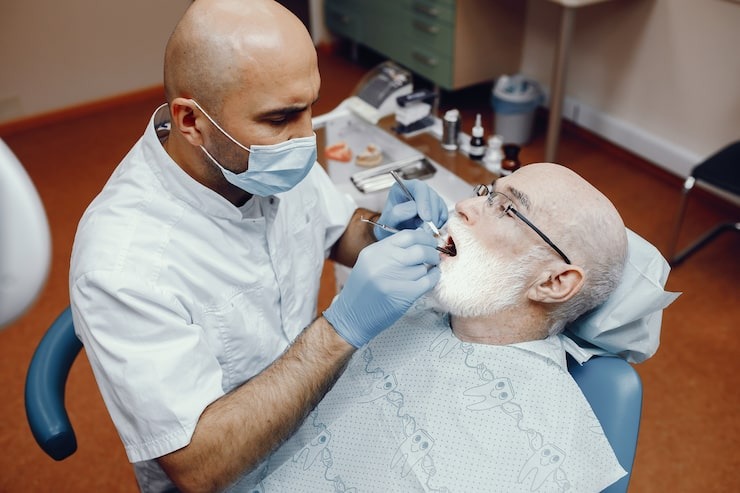
The process begins with a comprehensive assessment at a professional dental implant clinic.
During this visit, the Dental Specialist may perform:
- Clinical examination
- Digital X-rays
- 3D CBCT scans
- Medical history review
- Bite assessment
- Treatment planning
This detailed evaluation helps determine the number of implants required and whether additional procedures are necessary.
Treatment Planning
Digital technology now allows clinicians to create highly accurate treatment plans before surgery begins.
The treatment plan considers:
- Jawbone quality
- Gum health
- Implant positioning
- Bite alignment
- Final restoration design
Careful planning contributes significantly to long-term implant success.
Implant Placement
During surgery, titanium Dental Implants are placed into the jawbone under local anaesthetic or sedation.
The number of implants varies depending on the chosen restoration, but many full arch cases require four to six implants per arch.
Healing and Osseointegration
Over the following months, the implants gradually fuse with the surrounding bone through a natural biological process called osseointegration.
This creates a strong and stable foundation for the permanent teeth.
Final Restoration
Once healing is complete, the final bridge is attached to the implants.
The finished restoration is carefully adjusted to provide a comfortable bite, natural appearance and long-lasting function.
Benefits of Full Mouth Dental Implants
One of the biggest reasons patients choose implants is the combination of aesthetics and functionality.
Improved Stability
Unlike dentures, implant-supported teeth remain securely fixed during eating and speaking.
Better Oral Function
Patients can enjoy a wider variety of foods without worrying about movement or discomfort.
Natural Appearance
Modern materials closely replicate the colour, shape and translucency of natural teeth.
Bone Preservation
Because Dental Implants stimulate the jawbone, they help reduce the bone loss that commonly occurs after tooth loss.
Long-Term Durability
With appropriate care, implants can remain functional for many years and often decades.
Are Full Mouth Dental Implants Painful?
Many people worry about discomfort during treatment.
The implant procedure is typically performed under local anaesthetic, meaning patients should not experience pain during surgery.
Afterwards, mild swelling, tenderness and bruising are common for several days and are usually manageable with prescribed or recommended medication.
Most patients report that recovery is more comfortable than they initially expected.
Recovery After Dental Implant Surgery
Recovery varies from person to person depending on individual healing and the complexity of treatment.
First Week
Patients should:
- Eat soft foods
- Follow prescribed medications
- Keep the surgical area clean
- Avoid smoking
- Attend follow-up appointments
Long-Term Healing
Although initial healing occurs within a few weeks, complete integration between the implants and jawbone generally takes several months.
Following your Dental Specialist’s instructions is essential for successful healing.
Caring for Full Mouth Dental Implants
Proper maintenance helps maximise the lifespan of implants.
Daily care includes:
- Brushing twice daily
- Cleaning between implants
- Using recommended oral hygiene products
- Attending regular dental examinations
- Scheduling professional hygiene appointments
Good oral hygiene reduces the risk of complications such as peri-implant disease.
How Long Do Dental Implants Last?
One of the greatest advantages of Dental Implants is their longevity.
The implant itself may last for decades when properly maintained. The prosthetic bridge may eventually require adjustments or replacement due to normal wear, but regular dental reviews help identify any issues early.
Lifestyle factors such as smoking, uncontrolled diabetes and poor oral hygiene can reduce implant longevity.
Modern Technology Used in Implant Dentistry
Technology continues to improve treatment accuracy in 2026.
Many advanced implant clinics now use:
Digital Smile Design
Digital planning helps visualise the expected outcome before treatment begins.
3D CBCT Imaging
Three-dimensional scans provide detailed information about bone quality and anatomical structures.
Guided Implant Surgery
Custom surgical guides assist with highly accurate implant placement.
Digital Impressions
Many practices now use digital scanners instead of traditional impression materials, improving patient comfort and precision.
Full Mouth Dental Implants Compared with Traditional Dentures
Although both options replace missing teeth, they function quite differently.
| Full Mouth Dental Implants | Traditional Dentures |
| Fixed in place | Removable |
| Stable while eating | May move during use |
| Helps preserve jawbone | Does not prevent bone loss |
| Natural appearance | May require adjustments |
| Longer lifespan | Usually replaced more frequently |
The most suitable option depends on each patient’s clinical condition, health and treatment goals.
Frequently Asked Questions
How many implants are needed for full mouth restoration?
Most full arch restorations require between four and six implants, although the exact number depends on the patient’s bone quality and treatment plan.
Can older adults receive Dental Implants?
Yes. Age alone does not prevent someone from receiving Dental Implants. Overall health and bone quality are more important factors.
Will my new teeth look natural?
Modern implant restorations are carefully designed to match facial proportions, smile aesthetics and natural tooth appearance.
How successful are Full Mouth Dental Implants?
Dental implants have high long-term success rates when placed by an experienced Dental Specialist and maintained with good oral hygiene.
Can I eat normally after treatment?
Once healing is complete, most patients can comfortably enjoy a wide variety of foods that may have been difficult with removable dentures.
How do I know if I am suitable for treatment?
A consultation at a qualified dental implant clinic includes a comprehensive examination and imaging to determine whether implants are appropriate for your individual needs.