Missing teeth can affect much more than a person’s smile. They can influence the ability to speak clearly, enjoy favourite foods, and feel comfortable in social or professional situations. While many tooth replacement options are available, Dental Implants have become one of the most reliable long-term solutions because they closely replicate the appearance and function of natural teeth.
G4 Dental Implants is a trusted dental implant clinic committed to helping patients restore both oral function and confidence through modern implant dentistry. Every treatment is planned by an experienced Dental Specialist, ensuring each patient receives personalised care based on their oral health, lifestyle, and long-term goals. Understanding how dental implants improve everyday life can help individuals make informed decisions about replacing missing teeth.
This article explains how dental implants can positively influence confidence, speech, comfort, and overall quality of life.
Understanding Dental Implants
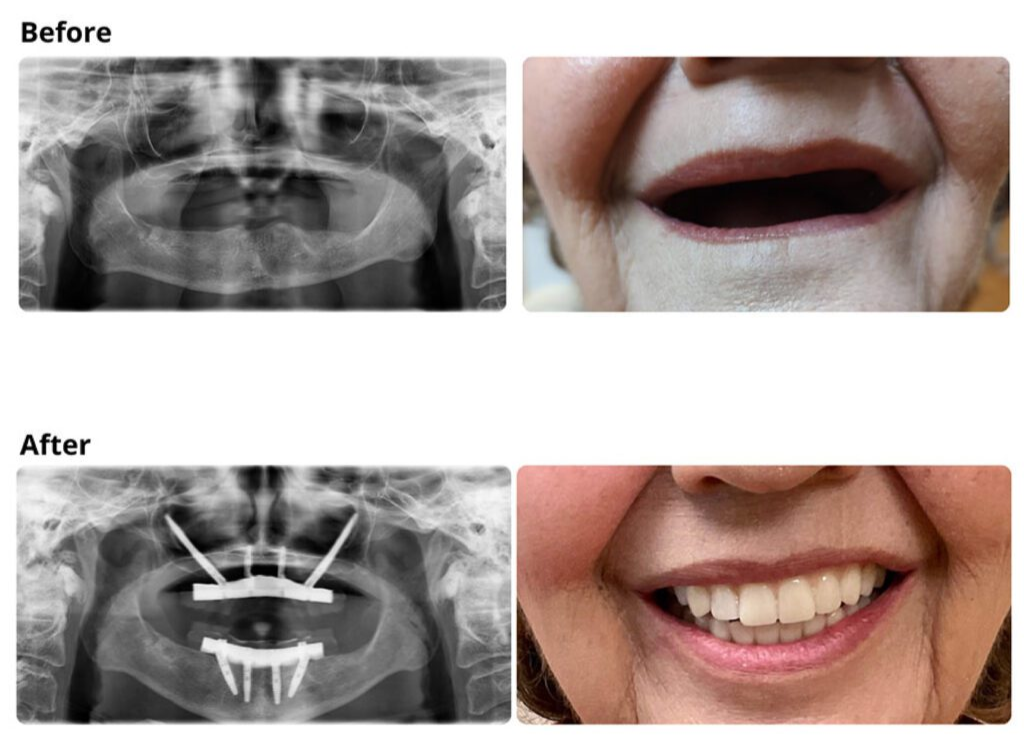
Dental implants are artificial tooth roots made from biocompatible titanium that are surgically placed into the jawbone. Once the implant integrates with the bone through a natural healing process called osseointegration, it provides a stable foundation for a crown, bridge, or full-arch restoration.
Unlike removable dentures, implants become part of the jaw, allowing them to function much like natural teeth. They are designed to provide durability, stability, and long-term support while helping preserve surrounding bone and facial structure.
Because implants replace both the root and visible portion of the tooth, they offer benefits that extend well beyond appearance.
The Emotional Impact of Missing Teeth
Tooth loss often affects emotional wellbeing in ways that are not immediately obvious. Many individuals become self-conscious about smiling, speaking, or eating around others.
People with missing teeth may experience:
- Reduced self-esteem
- Reluctance to smile in photographs
- Anxiety during conversations
- Avoidance of social gatherings
- Lower confidence in professional settings
Over time, these concerns can affect relationships, career opportunities, and overall quality of life. Restoring missing teeth can therefore improve both oral health and emotional wellbeing.
How Dental Implants Restore Confidence
A Natural-Looking Smile
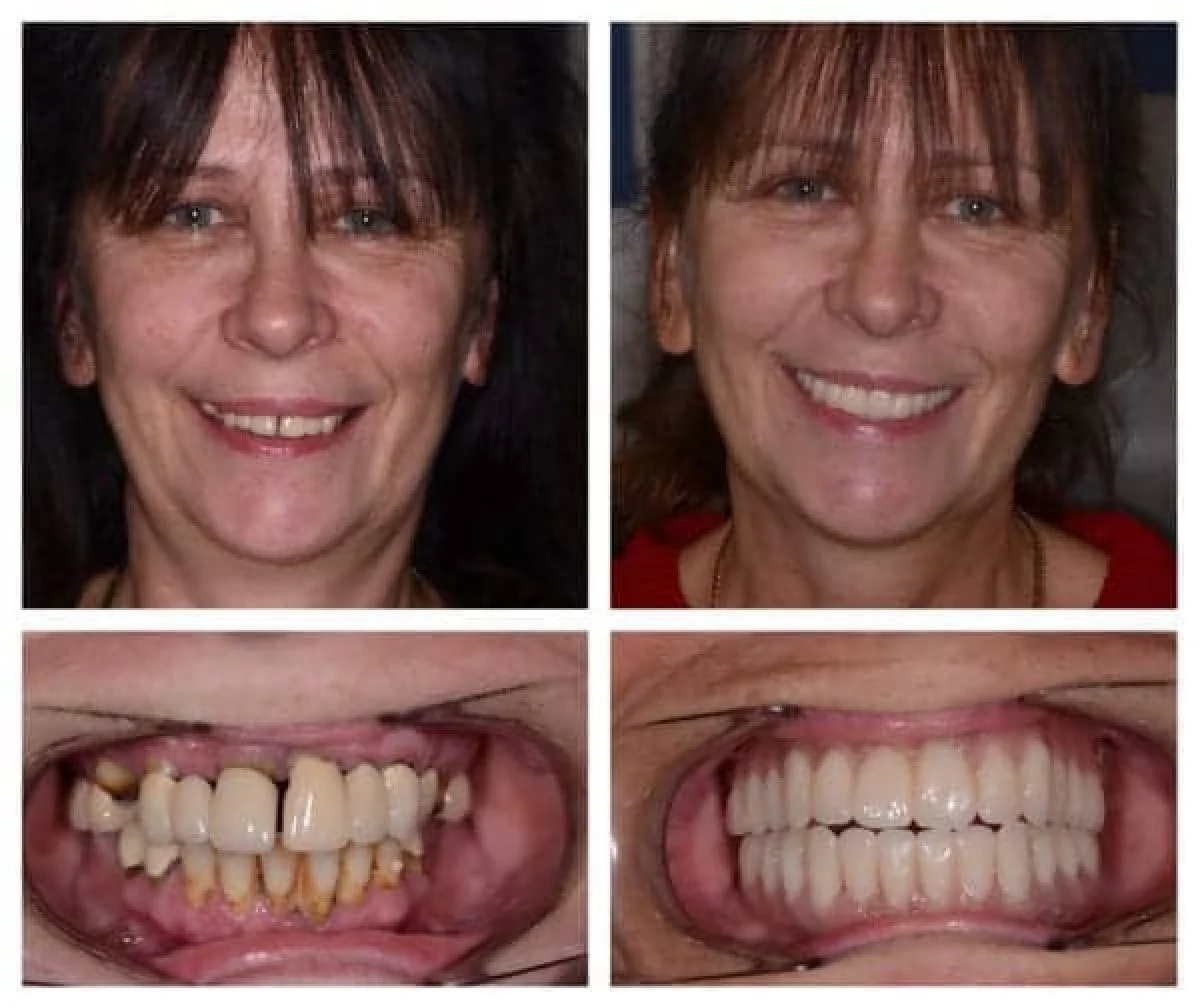
One of the primary reasons patients choose Dental Implants is their natural appearance. Implant-supported crowns are custom-made to match the surrounding teeth in shape, size, and colour.
Unlike some removable options, properly placed implants blend seamlessly with existing teeth, making it difficult for others to distinguish them from natural teeth.
This natural appearance often encourages people to smile more freely and interact confidently with others.
Greater Comfort During Social Situations
Many denture wearers worry about movement while talking or laughing. Dental implants remain securely fixed within the jawbone, eliminating concerns about slipping or shifting.
Patients often report feeling more relaxed during:
- Business meetings
- Family gatherings
- Social events
- Public speaking
- Dining with friends
Knowing that replacement teeth remain secure allows individuals to focus on conversations rather than their smile.
Improved Speech with Dental Implants
Speech depends on precise tongue, lip, and tooth movement. Missing teeth can interrupt airflow and alter pronunciation, making certain sounds difficult to produce.
Why Missing Teeth Affect Speech
Teeth play an important role in forming sounds such as:
- F
- V
- S
- T
- D
- TH
When these teeth are missing, speech may become less clear or require extra effort.
Loose dentures can also shift while talking, causing slurred speech or clicking noises.
How Implants Improve Pronunciation
Because implants are securely anchored within the jaw, they provide stable support for normal speech patterns.
Many patients notice improvements in:
- Pronunciation
- Clarity
- Speaking confidence
- Voice consistency
- Communication during conversations
As individuals adapt to their new teeth, speech often becomes more natural without worrying about movement or discomfort.
Eating Becomes Comfortable Again
One of the biggest lifestyle improvements following implant treatment is the ability to eat comfortably.
Stronger Biting Force
Unlike removable dentures, implants distribute chewing pressure through the jawbone similarly to natural teeth.
This allows patients to enjoy a wider variety of foods, including:
- Fresh fruit
- Vegetables
- Lean meats
- Nuts
- Whole grains
Being able to chew properly supports digestion while making meals more enjoyable.
Enjoying Favourite Foods Again
Many people with missing teeth avoid foods that require significant chewing because they experience discomfort or instability.
Dental implants restore much of the natural chewing function, helping individuals eat confidently without constantly adjusting their teeth.
Preserving Facial Appearance
Missing teeth do more than leave visible gaps. They also contribute to gradual jawbone loss.
Bone Loss After Tooth Loss
When a tooth is lost, the underlying jawbone no longer receives stimulation from chewing. Over time, the bone begins to shrink.
Bone loss can lead to:
- Sunken cheeks
- Thinner lips
- Changes in facial proportions
- Premature ageing
How Dental Implants Help
Dental implants stimulate the jawbone during chewing, helping maintain bone density.
By preserving bone structure, implants help support natural facial contours and reduce changes associated with tooth loss.
Long-Term Oral Health Benefits
Replacing missing teeth with implants offers advantages beyond aesthetics.
Protecting Surrounding Teeth
Traditional bridges often require neighbouring healthy teeth to be reshaped for support.
Dental implants stand independently, meaning adjacent teeth remain untouched.
This helps preserve healthy tooth structure while reducing unnecessary treatment.
Easier Cleaning
Implants can be cared for similarly to natural teeth through:
- Daily brushing
- Flossing
- Regular dental examinations
- Professional cleaning
Unlike removable dentures, there is no need for adhesives or overnight soaking.
Improved Everyday Quality of Life
Confidence often comes from being able to complete everyday activities without discomfort or worry.
People with successful implant treatment frequently notice improvements during ordinary daily routines.
Everyday Activities Become Easier
Whether attending work, travelling, dining out, or spending time with family, implants allow patients to focus on enjoying life instead of thinking about missing teeth.
Daily activities become more comfortable because implants remain stable throughout the day.
Better Overall Wellbeing
Research continues to show that oral health and general wellbeing are closely connected.
Improved oral function often contributes to:
- Better nutrition
- Greater social interaction
- Increased confidence
- Improved emotional wellbeing
- Higher overall life satisfaction
Although every patient experiences different outcomes, restoring missing teeth can have lasting positive effects on many aspects of life.
Who May Be Suitable for Dental Implants?
Dental implants are suitable for many adults, although eligibility depends on individual oral health.
A Dental Specialist will evaluate several factors before recommending treatment, including:
- Overall oral health
- Jawbone quality
- Gum health
- Medical history
- Smoking habits
- Personal treatment goals
Modern techniques allow many patients who were previously unsuitable for implants to become candidates following additional procedures such as bone grafting.
Why Choosing the Right Dental Implant Clinic Matters
Successful implant treatment depends on careful planning, accurate diagnosis, and long-term follow-up.
Choosing an experienced dental implant clinic ensures that every stage of treatment is completed according to recognised clinical standards.
A qualified Dental Specialist will use detailed imaging, personalised treatment planning, and precise placement techniques to maximise the long-term success of dental implants.
Patients should also receive guidance on maintaining implant health through regular oral hygiene and routine dental visits.
Caring for Dental Implants
Although implants cannot develop tooth decay, they still require proper care.
Daily maintenance includes brushing twice each day, cleaning between the teeth, attending regular professional examinations, and maintaining healthy gums.
Avoiding tobacco use and following professional oral hygiene advice can also improve long-term implant success.
With appropriate care, many dental implants remain functional for decades.
Conclusion
Dental implants provide far more than a cosmetic improvement. They restore stability, improve speech, enhance confidence, support comfortable eating, and help preserve the jawbone and facial structure.
For individuals living with missing teeth, implant treatment can significantly improve both oral function and everyday quality of life. Consulting an experienced Dental Specialist at G4 Dental Implants can help determine the most appropriate treatment based on individual needs and oral health. If you would like personalised advice about replacing missing teeth or learning more about treatment options, Contact us to arrange a professional consultation.
Frequently Asked Questions
Are dental implants permanent?
Dental implants are designed as a long-term tooth replacement solution. With proper oral hygiene and regular dental care, they can last for many years and often decades.
Does getting dental implants improve speech immediately?
Some patients notice improvements soon after treatment, while others require a short adjustment period as they become accustomed to their new teeth.
Can dental implants replace several missing teeth?
Yes. Dental implants can support single crowns, bridges, or full-arch restorations depending on the number of missing teeth.
Are dental implants comfortable?
Once healing is complete, implants generally feel similar to natural teeth because they become securely integrated with the jawbone.
How do I know if I am suitable for dental implants?
A comprehensive assessment by a Dental Specialist will determine whether your oral health, jawbone condition, and medical history make you a suitable candidate for Dental Implants.
How can I learn more about treatment at G4 Dental Implants?
If you would like more information about treatment options, costs, or eligibility, Contact us to schedule a consultation with the experienced team at G4 Dental Implants.