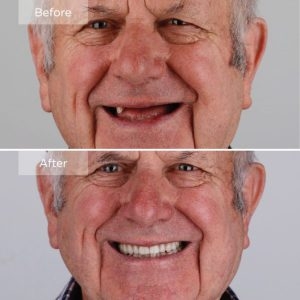

Getting dental implants is a major decision. For many people, it is not simply about replacing missing teeth. It can mean being able to enjoy favourite foods again, smile without worrying about loose dentures, speak more comfortably and feel confident in everyday conversations.
Naturally, patients want to know one important thing before making that investment: How long will my dental implants last?
Dental implants can remain functional for decades, and some may last 30 years or longer. However, there is no guaranteed lifespan for every patient. Long-term success depends on factors including implant placement, bone and gum health, oral hygiene, lifestyle habits, bite forces and the condition of the restoration.
At G4 Dental Implants, implant treatment is the central focus of the practice. The Tysons Corner location is dedicated specifically to dental implant care and serves patients seeking advanced full-arch implant solutions. Its clinical team includes Dr. Fadi Alharashi, DDS, and Dr. Shima Mohseni, DDS, who work with patients to develop treatment based on their individual clinical needs.
That personal evaluation matters because there is no single implant solution that is right for everyone.
What Does “30+ Years” Really Mean for Dental Implants?
When you hear that dental implants can last 30 years or more, it is important to understand what that statement actually refers to.
A dental implant has several components. The implant fixture is placed into the jawbone, an abutment connects the implant to the restoration, and the visible replacement may be a crown, bridge or denture.
The implant fixture can potentially remain stable for decades after successful integration with the bone. However, the restoration attached to the implant experiences everyday chewing forces and may eventually require repair, adjustment or replacement.
That means replacing a worn crown or bridge does not necessarily mean the implant itself has failed.
Your individual outcome can be affected by:
- The health and density of your jawbone
- The condition of your gums
- Your daily oral hygiene
- Smoking or tobacco use
- Teeth grinding or clenching
- The forces placed on your restoration
- Your general health
- The quality of ongoing professional maintenance
The goal should therefore not be to find a treatment that simply promises a certain number of years. Instead, patients should focus on appropriate treatment planning and maintaining their oral health over the long term.
The First Step to Long-Lasting Implants Starts Before Surgery
One of the most overlooked parts of implant longevity is what happens before the implant is placed.
A thorough consultation allows the dental team to evaluate your existing teeth, gums, jawbone, bite and overall treatment needs. This is especially important if you have worn dentures for many years, have advanced tooth loss or have previously been told that you do not have enough bone for implants.
G4’s candidate evaluation addresses factors such as the number of missing teeth, previous implant consultations, gum disease, periodontal disease, smoking, certain health conditions and dental anxiety.
This type of conversation can also give patients an opportunity to ask questions that they may have been hesitant to raise, such as:
Will implants work for me?
What happens if I have bone loss?
Will I need a bone graft?
How will my new teeth look and feel?
What will maintenance be like?
What happens if I am nervous about dental treatment?
A consultation is not simply about determining whether you are a candidate. It is an opportunity to understand the treatment, meet the team and decide whether the practice feels like the right environment for your care.
Choose an Implant Provider With Experience in Your Type of Treatment
Patients often spend considerable time researching implant materials, costs and treatment timelines, but the experience of the clinical team deserves equal attention.
Dental implant treatment can involve surgical placement, restorative planning, bite considerations and long-term maintenance. If you are considering full-arch treatment, it can be particularly helpful to choose a practice that focuses extensively on implant care rather than treating implants as only one of many routine services.
G4 describes its Tysons Corner center as an implant-only dental center, allowing its clinical team to concentrate on implant-focused surgical and restorative care.
The practice also provides patients with access to its broader implant team, including Dr. Fadi Alharashi and Dr. Shima Mohseni at the Tysons location.
When researching a provider, consider asking:
- How frequently does the clinical team perform the type of implant treatment I need?
- Who will be involved in my treatment?
- How will my treatment be planned?
- What technology is used to evaluate my anatomy?
- What happens if I have significant bone loss?
- What maintenance will I need after treatment?
- Who should I contact if I have a concern after treatment?
These questions can help you understand what the experience may look like beyond the procedure itself.
Keep Your Gums Healthy Around Your Implants
Your implant cannot develop a traditional cavity, but that does not mean the tissues around it are immune to problems.
Plaque and bacteria can accumulate around implant-supported teeth, particularly in areas that are difficult to reach. Inflammation affecting the tissues around an implant can threaten the bone and gum structures that support it.
This is why daily cleaning remains important even after you have received a complete set of implant-supported teeth.
Brush your teeth and implant-supported restoration as directed by your dental professional. Depending on your restoration, you may also need floss, interdental brushes, water irrigation or other specialised cleaning tools.
Your dental team can show you how to clean the areas around your particular restoration rather than expecting you to use the same technique you used with natural teeth.
What If You Have All-on-4 Dental Implants?
Patients with All on four dental implants may have a full-arch restoration supported by four implants.
Because the restoration covers a larger area, cleaning underneath and around the prosthesis can require additional attention. Your provider should explain the cleaning routine appropriate for your specific restoration.
Long-term implant care is not about brushing and forgetting. It is about understanding your restoration and knowing how to maintain it.
Do Not Skip Your Implant Maintenance Appointments
You may feel that your implants are fine once they are comfortable and functioning normally. However, regular professional examinations are still important.
Your dental team can monitor:
- Implant stability
- Gum health
- Bone levels
- The condition of your restoration
- Bite and chewing forces
- Signs of wear or damage
- Areas that are difficult to clean
Some problems may not cause obvious symptoms at first. A professional examination can identify changes before they become more complicated.
G4 also highlights maintenance appointments as part of its approach to implant-supported restorations, including removing and cleaning the bridge and re-glazing it when appropriate.
Your maintenance schedule should be based on your individual oral health, restoration and clinical needs.
Stop Smoking If You Want to Protect Your Investment
Smoking is one of the lifestyle factors worth discussing openly with your implant provider.
Tobacco use can affect gum health and healing, which are both important considerations for dental implant treatment. If you currently smoke or use nicotine, tell your dental team during your consultation.
This is not about being judged. It is about giving your provider accurate information so they can plan treatment and maintenance appropriately.
G4’s implant candidate questionnaire specifically asks patients about smoking and nicotine use, including whether they have quit or are willing to quit.
Pay Attention to Teeth Grinding and Your Bite
Do you wake up with a sore jaw? Do you grind your teeth at night? Has someone told you that you clench your teeth while sleeping?
These details are worth mentioning before implant treatment.
Bruxism can place significant forces on teeth and restorations. Depending on your circumstances, your dental provider may recommend strategies to manage those forces, such as a night guard.
Your bite also matters. An implant restoration should be evaluated as part of your overall chewing system rather than considered in isolation.
This is one reason an experienced implant team can be valuable. Treatment planning needs to consider not only where teeth are missing, but also how your upper and lower teeth interact.
Be Kind to Your New Teeth
Dental implants are designed for everyday use, but they are not indestructible.
Avoid habits that can damage dental restorations, such as:
- Chewing ice
- Biting pens or other hard objects
- Opening packages with your teeth
- Regularly chewing extremely hard foods
- Using excessive force on your restoration
If you notice a loose component, crack, unusual movement or change in your bite, contact your dental provider rather than waiting for the problem to become worse.
What If You Have Significant Bone Loss?
One of the biggest concerns for many implant candidates is bone loss.
If you have worn dentures for years or experienced extensive tooth loss, you may have been told previously that conventional implants are not possible. That does not necessarily mean there are no implant-based options.
Depending on your anatomy and treatment needs, specialised approaches may be considered.
For example, zygomatic implants use the cheekbone for anchorage and can be considered in certain patients with significant bone loss in the upper jaw. G4 specifically offers zygomatic implant treatment for selected patients with severe upper-jaw bone loss.
However, this type of treatment is not appropriate for everyone. A detailed examination and treatment plan are necessary to determine whether it is suitable.
If another dentist has previously told you that you are not a candidate for implants, bringing your previous records and asking for another evaluation may help you understand what options are available today.
The G4 Team Understands That Choosing Implants Is a Big Decision
Dental implant treatment can feel like a major step, especially if you have lived with missing teeth, failing teeth or dentures for years.
You may be worried about surgery. You may be unsure whether implants will work for you. You may also wonder whether you can trust a provider with such an important decision.
These concerns are worth discussing during your consultation.
At G4 Dental Implants in Tysons Corner, the practice focuses specifically on implant treatment. The clinical team includes Dr. Fadi Alharashi and Dr. Shima Mohseni, and the practice also provides patient stories and opportunities for prospective patients to hear about other people’s experiences.
G4 also encourages prospective patients to learn about the provider’s experience, review real patient results and ask questions before making a treatment decision.
That kind of transparency can be particularly valuable when you are considering a long-term treatment.
What Should You Ask During Your Dental Implant Consultation?
If you are preparing for an implant consultation, take a few questions with you.
Consider asking:
- Am I a candidate for dental implants?
Your provider can evaluate your teeth, gums, bone structure and overall circumstances.
- What implant option is appropriate for me?
A single missing tooth, multiple missing teeth and a full arch may require very different treatment approaches.
- Do I have enough bone?
If bone loss is present, ask what treatment options may be available.
- Who will perform my treatment?
Ask about the clinical team and their experience with the type of procedure you are considering.
- What will maintenance look like?
Understanding your long-term responsibilities before treatment can help you prepare for life with your new teeth.
- What happens if something needs to be repaired?
Knowing who to contact and how your restoration will be maintained can provide greater peace of mind.
A consultation should be a two-way conversation. You should leave with a clearer understanding of your options, not simply a recommendation to proceed.
Can Dental Implants Really Last 30 Years?
Yes, some dental implants can remain functional for 30 years or longer. However, no responsible provider can guarantee that every implant will last a specific number of years.
Long-term success depends on many factors, including the health of the supporting bone and gums, implant placement, oral hygiene, lifestyle habits, bite forces and restoration maintenance.
Think of your implant as a long-term investment that still requires care.
The goal is not simply to complete the procedure and forget about your teeth. It is to establish a relationship with a dental team, follow your personalised maintenance plan and address concerns early.
Why a Personal Consultation Matters at G4 Dental Implants
If you are considering dental implants in Tysons, your next step does not have to be deciding immediately whether to undergo treatment.
It can simply be learning more about your situation.
At G4 Dental Implants Tysons Corner, patients can discuss their concerns with an implant-focused clinical team and learn whether an implant-supported solution may be appropriate for them. The practice specialises in advanced implant care and full-arch restorations.
If you have been told that you do not have enough bone, have struggled with dentures, or simply want to understand your options, it is worth bringing those concerns to a provider who regularly treats implant patients.
You can contact G4 Dental Implants to speak with the team and learn more about scheduling a consultation.
Long-Term Implant Success Starts With the Right Questions
Dental implants can become a long-term part of your smile, but their longevity is influenced by what happens before, during and after treatment.
Good oral hygiene, regular maintenance, healthy lifestyle choices and protection against excessive bite forces can all contribute to maintaining your implants and restorations.
Just as importantly, choosing an implant provider should involve more than comparing prices. Look at the team’s experience, treatment approach, technology, patient support and willingness to answer your questions.
For patients considering dental implants in Tysons, meeting the G4 clinical team and discussing your individual circumstances can be an important first step toward understanding whether implant treatment is right for you.
Your consultation is your opportunity to ask questions, understand your options and make an informed decision about your smile.