For many retirees, replacing missing teeth involves more than improving appearance. Everyday concerns such as eating comfortably, speaking clearly, maintaining oral hygiene, and avoiding loose dental appliances can influence the decision between traditional dentures and implant-supported options. Understanding how these treatments differ can help patients have more informed conversations with their dental provider.
G4 Dental Implants provides information and treatment options for patients considering dental implants and full-arch tooth replacement. For patients exploring their options in Northern Virginia, understanding the differences between removable dentures and All-on-4® treatment can be an important part of the decision-making process.
What Are Removable Dentures?
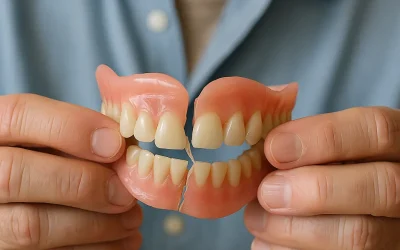
Dentures are removable dental appliances designed to replace several or all missing teeth. Complete dentures can replace an entire arch, while partial dentures may be used when some natural teeth remain.
Traditional dentures rest on the gums and are designed to be removed for cleaning and usually while sleeping. They can restore a degree of chewing function and provide support for the lips and cheeks. However, because they are not anchored directly into the jawbone, movement can occur during eating or speaking.
The fit of dentures can also change over time. Changes in the jawbone and gum tissues following tooth loss may affect how securely a denture fits, which can lead to the need for adjustments or replacement.
How Do All-on-4® Dental Implants Work?
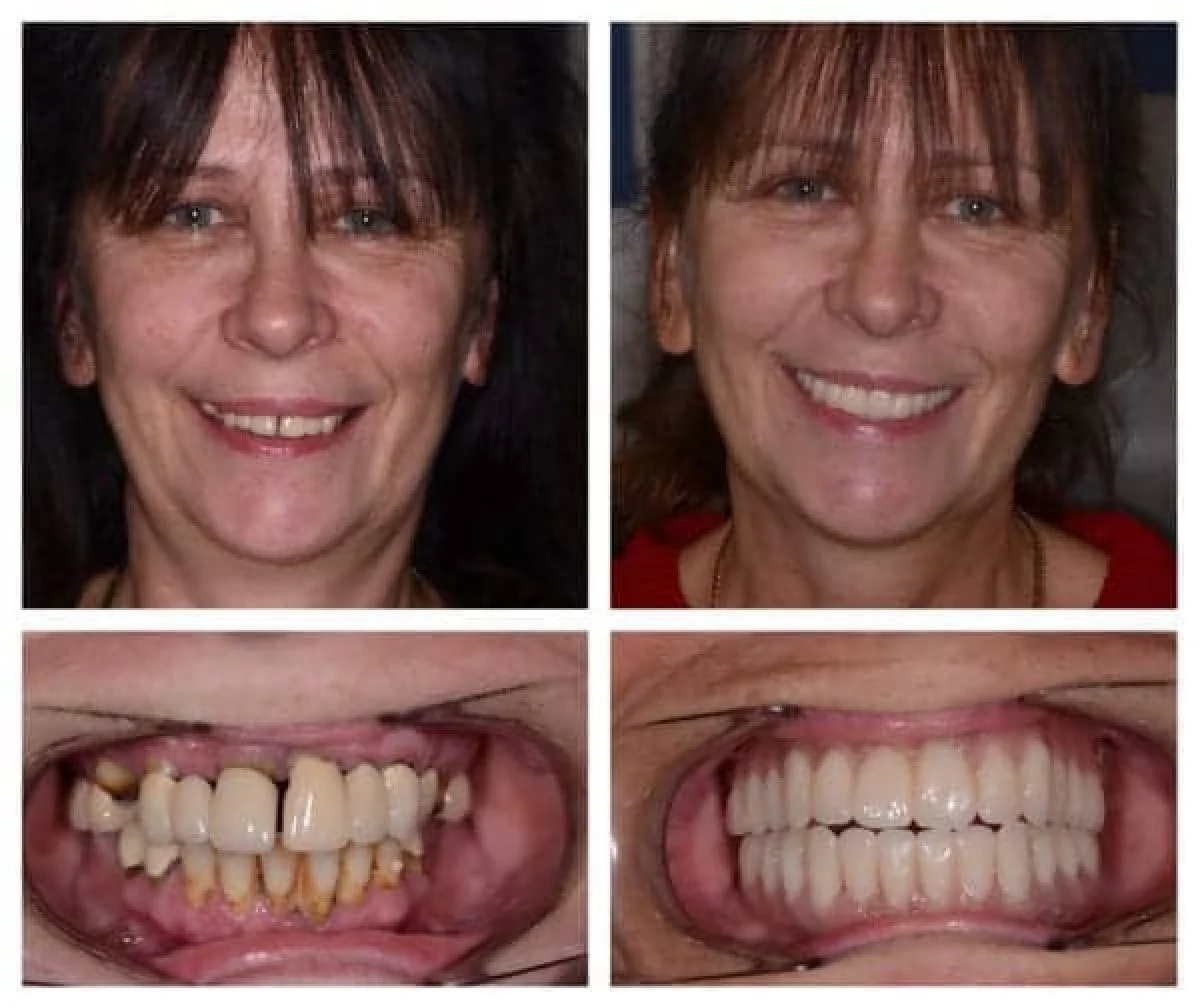
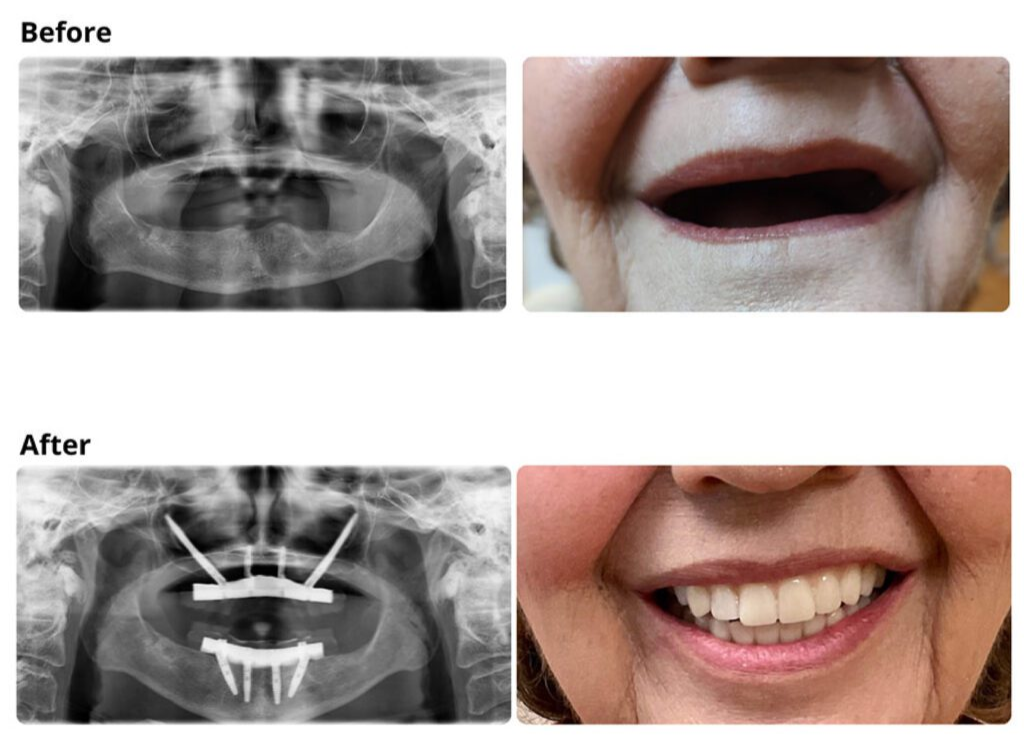
All on Four Dental Implants use dental implants to support a full arch of replacement teeth. Rather than replacing every missing tooth with an individual implant, the approach uses strategically positioned implants to support a fixed restoration.
Because the implants are placed into the jawbone, the replacement teeth are supported differently from traditional removable dentures. The restoration is designed to remain in place rather than being taken out by the patient as part of a daily cleaning routine.
The suitability of this treatment depends on several factors, including oral health, bone structure, general dental needs, and the condition of any remaining teeth. A dental professional must evaluate these factors before determining whether this approach is appropriate.
Why Might Retirees Consider All-on-4® Treatment?
The reasons someone considers implant-supported tooth replacement are personal. However, several practical differences may be relevant to older adults who are comparing their options.
Stability During Everyday Activities
One of the main differences between removable dentures and implant-supported restorations is how they are supported. Dentures rely on the gums and the fit of the appliance, while implants provide anchorage within the jaw.
For someone who has experienced denture movement, this distinction may be an important consideration. A fixed restoration can provide a different experience when eating and speaking because the teeth are supported by implants rather than simply resting on the gums.
Eating and Chewing Considerations
Missing teeth can affect food choices and chewing habits. Traditional dentures can restore chewing function, but some people find that certain foods are more difficult to eat comfortably because of denture movement or pressure on the gums.
Implant-supported teeth are designed to provide a stable foundation for a full-arch restoration. However, the actual chewing experience varies from patient to patient and depends on factors such as healing, restoration design, and individual oral health.
Daily Maintenance
Removable dentures require regular cleaning outside the mouth. They may also need to be removed at certain times according to a dental provider’s instructions.
Implant-supported restorations remain in place, so daily oral hygiene involves cleaning around the restoration and implants according to professional guidance. Patients still need routine dental care and should not assume that implants eliminate the need for ongoing oral hygiene.
Changes Following Tooth Loss
Natural teeth stimulate the jawbone through normal chewing forces. After tooth loss, the bone in the affected area can gradually change. Dental implants are placed in the jawbone and can provide stimulation through functional forces.
This is one reason implant treatment is often considered when discussing long-term tooth replacement. However, existing bone levels and other clinical factors must be evaluated before treatment.
All-on-4® vs. Removable Dentures: What Is the Difference?
The two approaches address tooth loss in different ways. The right option depends on a patient’s oral health, expectations, lifestyle, treatment preferences, and clinical circumstances.
| Feature | Removable Dentures | All-on-4® Dental Implants |
| Support | Rests on gums | Supported by dental implants |
| Removable by patient | Yes | Designed as a fixed restoration |
| Cleaning | Removed for cleaning | Cleaned in place with professional guidance |
| Jawbone involvement | Does not anchor into bone | Implants are placed in the jawbone |
| Treatment process | Generally does not require implant placement | Requires implant placement and healing |
| Suitability | Depends on oral and dental conditions | Requires evaluation for implant treatment |
This comparison does not mean that one treatment is automatically appropriate for every patient. A dental evaluation is necessary to determine which option fits an individual’s needs.
What Should Retirees Consider Before Choosing Implant Treatment?
Choosing between dentures and implant-supported treatment involves more than comparing how the teeth look. Patients should consider the treatment process, expected maintenance, healing requirements, oral health, and long-term care.
A consultation can also help identify whether remaining teeth should be retained or removed and whether additional procedures may be needed before implant placement. Bone condition, gum health, medical history, medications, and other factors may influence treatment planning.
Patients should also understand that dental implants require ongoing care. Although the replacement teeth are not natural teeth, the surrounding gums and implant structures still need attention to help maintain oral health.
Is All-on-4® Suitable for Every Retiree?
No. Age alone does not determine whether someone is a candidate for implant treatment. The more important considerations involve overall oral health, jawbone condition, gum health, healing capacity, and other individual factors.
Some patients may benefit from traditional dentures, while others may be candidates for implant-supported tooth replacement. In some cases, additional dental treatment may be recommended before implants can be considered.
Patients looking for Dental Implants in Tysons can discuss their specific circumstances with a qualified dental professional rather than relying on a general comparison.
How Can Patients Compare Their Options?
A useful starting point is to identify the problems they want their replacement teeth to address. For example, someone who is primarily concerned about affordability may approach the decision differently from someone whose main concern is denture movement.
It is also helpful to ask about the complete treatment process, expected recovery, cleaning requirements, possible complications, and long-term maintenance. Understanding these details allows patients and their families to make decisions based on realistic expectations.
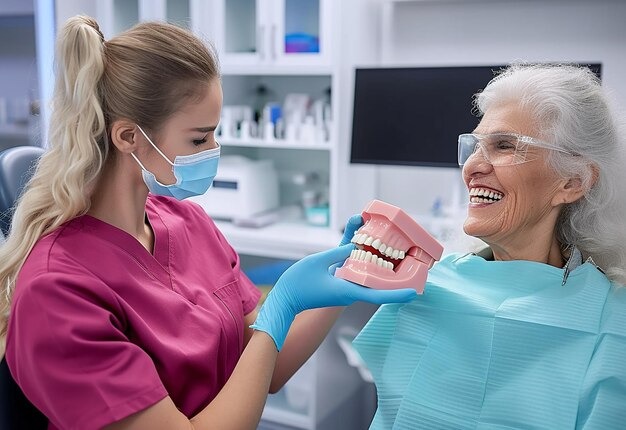
For those considering treatment with G4 Dental Implants, patients can Contact us to learn more about consultation options and discuss whether implant-supported tooth replacement may be appropriate for their needs.