Recovering from Dental Implants is an important part of achieving a healthy, functional, and natural-looking smile. While the implant procedure itself is carefully planned, the healing process continues for several weeks and months afterward. Understanding what happens during each stage of recovery helps patients know what is normal, when to seek professional advice, and how to support successful healing.
At G4 Dental Implants, patient education is an essential part of treatment planning. Every individual heals differently depending on their oral health, overall health, and the complexity of the procedure. By understanding the recovery timeline, patients can feel more confident about their journey toward permanent tooth replacement.
Understanding the Dental Implant Recovery Process
The recovery process after receiving Dental Implants involves several healing stages. Immediately after surgery, your body begins repairing the treated area while the implant gradually bonds with the jawbone through a process known as osseointegration. This biological process creates a stable foundation that allows the implant to function like a natural tooth.
Although every patient experiences recovery differently, following your dentist’s instructions, maintaining excellent oral hygiene, and attending follow-up appointments all contribute to successful healing.
What Happens Immediately After Dental Implant Surgery?
The first 24 hours are typically when patients notice the most changes. Mild discomfort, swelling, and slight bleeding are common and usually improve within a day or two.
Your dentist may recommend:
- Taking prescribed or over-the-counter pain medication
- Applying cold compresses to reduce swelling
- Eating soft foods
- Avoiding smoking and alcohol
- Getting adequate rest
Most patients can return home the same day and begin their recovery comfortably with proper care.
Week 1: Managing Early Healing
The first week is focused on reducing inflammation and allowing the surgical site to begin healing.
Common Symptoms During Week One
During this stage, patients may experience:
- Mild swelling around the gums and cheeks
- Slight bruising
- Tenderness while chewing
- Minor bleeding that gradually stops
These symptoms typically improve within several days.
Eating During the First Week
Choosing the right foods helps prevent unnecessary pressure on the healing implant site.
Good options include:
- Yogurt
- Mashed potatoes
- Smooth soups
- Oatmeal
- Scrambled eggs
- Smoothies
- Applesauce
Avoid crunchy, sticky, spicy, or extremely hot foods until your dentist advises otherwise.
Oral Hygiene Tips
Keeping the mouth clean without disturbing the surgical site is important.
Patients are generally advised to:
- Brush carefully around the implant area
- Rinse gently with any prescribed mouth rinse
- Avoid aggressive spitting or rinsing during the first day
- Follow all post-operative instructions
Week 2: Continued Healing and Reduced Discomfort
By the second week, many patients notice significant improvement.
Swelling usually subsides, tenderness decreases, and everyday activities become more comfortable. Patients who received multiple Dental Implants may require slightly longer healing, but most individuals feel considerably better compared to the first few days.
Follow-up appointments during this stage allow your dental team to evaluate healing and ensure there are no signs of infection or complications.
Weeks 3 to 4: Building a Strong Foundation
Although the gums may appear mostly healed after several weeks, healing beneath the surface continues.
During this period:
- Gum tissues continue repairing themselves.
- The implant begins integrating with the jawbone.
- Patients often resume normal daily routines.
- Soft tissues become healthier around the implant.
It is important not to assume healing is complete simply because discomfort has disappeared. The internal healing process requires additional time.
Months 2 to 3: Osseointegration Begins
One of the most critical phases of recovery occurs during the second and third months.
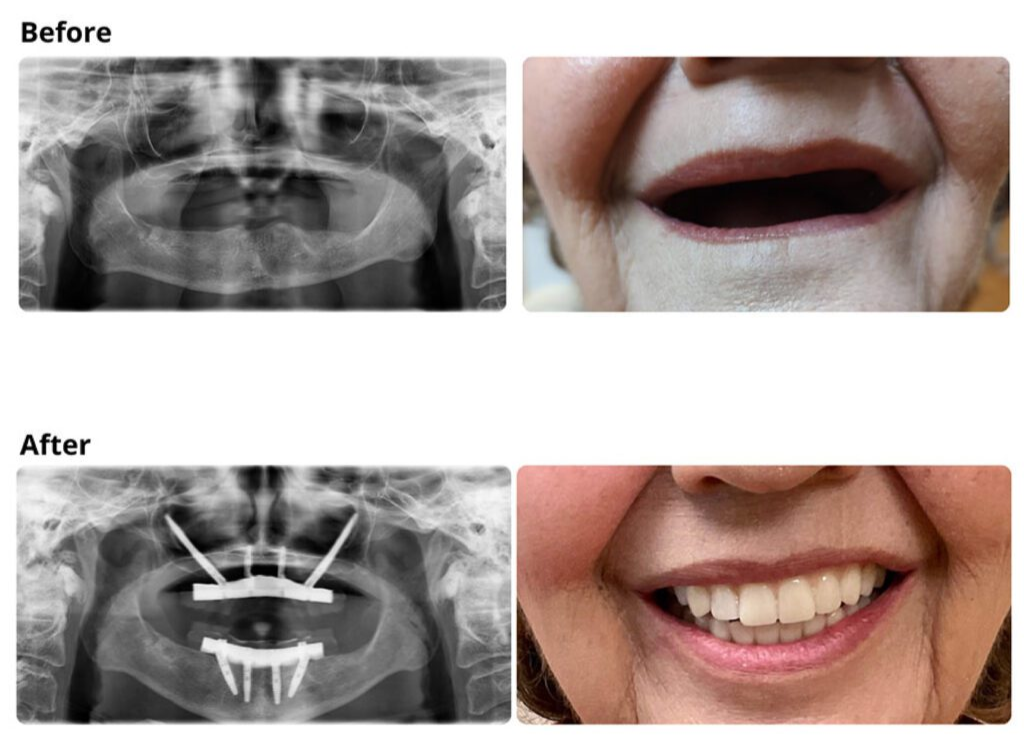
Osseointegration is the process in which the jawbone grows around the implant surface, creating a secure and stable connection. This biological bond is what allows Dental Implants to function similarly to natural tooth roots.
Patients usually experience very little discomfort during this stage because most visible healing has already occurred.
Your dentist may schedule periodic evaluations to confirm that healing is progressing as expected.
Months 3 to 6: Completing Implant Integration
For many patients, the implant continues strengthening within the jawbone throughout months three to six.
Factors affecting healing include:
Overall Health
Individuals with good general health often experience more predictable healing.
Bone Quality
Healthy jawbone supports stronger implant stability.
Oral Hygiene
Daily brushing, flossing, and professional cleanings help prevent infections that could interfere with healing.
Lifestyle Habits
Smoking and excessive alcohol consumption may slow recovery and reduce implant success.
Once your dentist confirms sufficient healing, the permanent crown, bridge, or restoration can be placed.
Recovery After Implant-Supported Dentures
Patients choosing implant-supported dentures may have a slightly different recovery experience depending on the treatment plan.
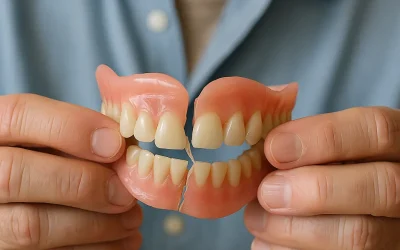
Temporary dentures are often placed while healing occurs. Once osseointegration is complete, the final restoration is securely attached to the implants.
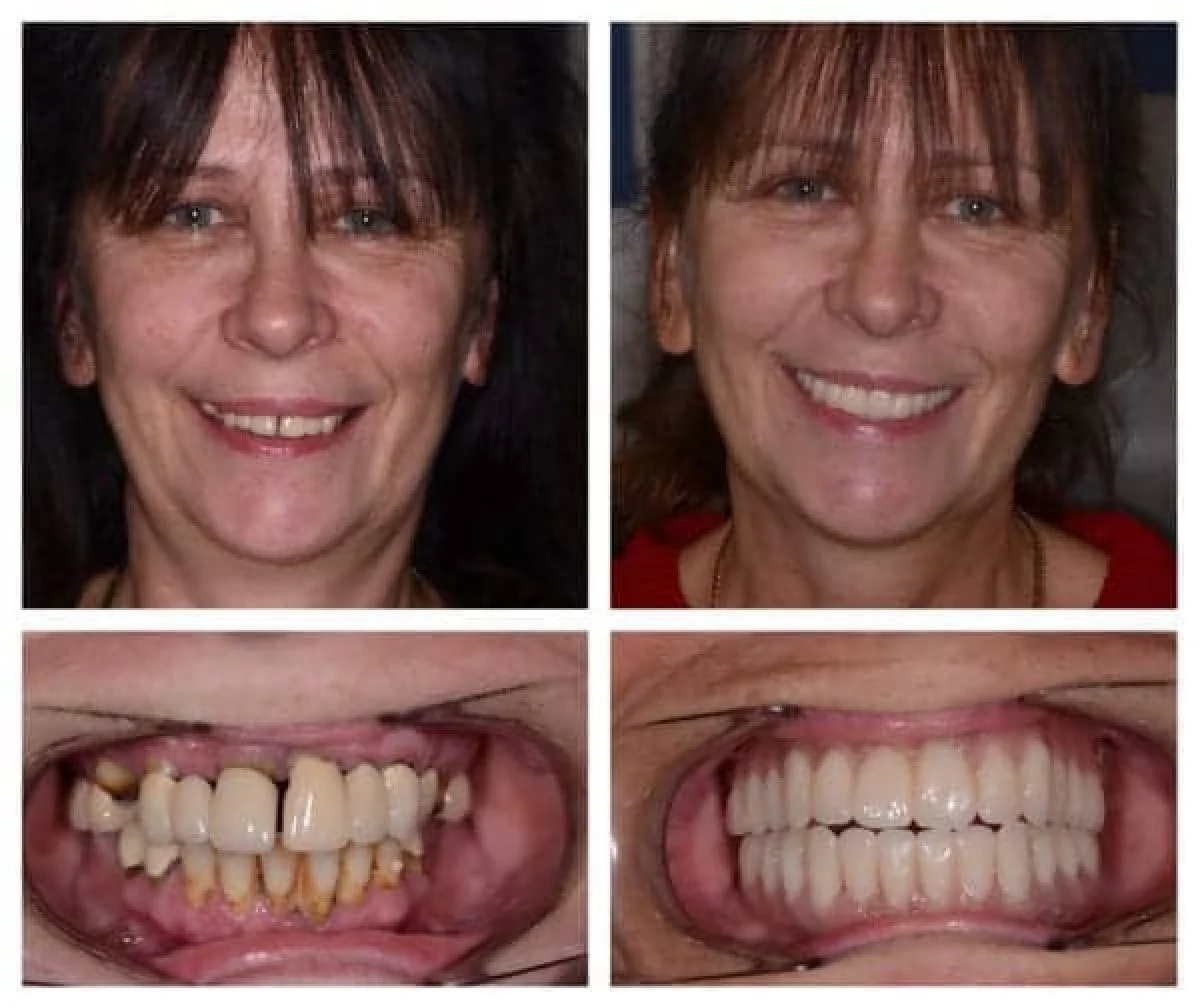
Compared to traditional removable dentures, implant-supported options generally provide:
- Greater stability
- Improved chewing ability
- Better speech
- Reduced bone loss
- Increased long-term comfort
The recovery timeline remains similar, although adjustments may be needed as patients adapt to their new restoration.
Signs of Normal Healing
Many patients wonder whether their recovery is progressing normally.
Healthy healing often includes:
- Mild swelling that gradually improves
- Slight soreness
- Minor bruising
- Temporary sensitivity
- Gradual improvement in comfort
These symptoms usually decrease steadily over time.
When Should You Contact Your Dentist?
Although complications are uncommon, patients should monitor their recovery carefully.
You should seek professional evaluation if you experience:
- Severe or worsening pain
- Persistent heavy bleeding
- Swelling that increases after several days
- Fever
- Pus around the implant
- Implant movement
- Difficulty swallowing
Prompt treatment can often prevent more serious complications.
Tips for a Faster and Healthier Recovery
A successful recovery depends on following professional recommendations consistently.
Follow Medication Instructions
Take medications exactly as prescribed by your dental provider.
Maintain Good Oral Hygiene
Clean teeth and gums gently while protecting the surgical area.
Eat Nutritious Foods
Protein, vitamins, and hydration support tissue repair.
Avoid Smoking
Smoking significantly increases the risk of implant failure and delayed healing.
Attend Every Follow-Up Visit
Regular appointments allow your dentist to monitor healing and address concerns early.
Long-Term Care for Dental Implants
Once healing is complete, maintaining your Dental Implants is similar to caring for natural teeth.
Patients should:
- Brush twice daily
- Floss every day
- Visit the dentist regularly
- Avoid using teeth to open packages
- Wear a nightguard if recommended for teeth grinding
With proper care, implants can provide long-lasting function and appearance.
Why Patient Education Matters
Understanding each stage of the recovery process helps reduce anxiety and encourages realistic expectations.
Many patients review their implant journey by mentioning that knowing what to expect made recovery feel much easier. Learning about the timeline before surgery allows individuals to prepare for temporary dietary changes, follow home-care instructions, and recognize normal healing.
Reading a verified patients review can also provide insight into real recovery experiences, although every person’s healing process is unique.
How G4 Dental Implants Supports Patients Throughout Recovery
At G4 Dental Implants, recovery does not end when the procedure is completed. Patients receive detailed post-operative guidance, scheduled follow-up evaluations, and ongoing monitoring throughout the healing process. The goal is to help every patient recover safely while ensuring the implant integrates successfully with the jawbone.
Whether receiving a single implant or implant-supported dentures, following personalized care instructions can improve healing outcomes and support long-term oral health. If you have questions about your treatment or recovery timeline, contact us to speak with a member of the dental team.
Conclusion
Healing after Dental Implants is a gradual process that extends beyond the first few weeks. While early discomfort typically improves quickly, complete integration with the jawbone takes several months. Understanding each stage of the recovery timeline allows patients to feel prepared, recognize normal healing, and follow habits that support long-term success.
Working closely with your dental provider, maintaining excellent oral hygiene, and attending regular follow-up visits are essential for achieving durable and healthy implant results. With patience and proper care, dental implants can provide a reliable solution for restoring both function and confidence.
Frequently Asked Questions
How long does it take to recover from Dental Implants?
Initial healing usually takes one to two weeks, while complete integration of the implant with the jawbone generally takes three to six months.
Is swelling normal after receiving Dental Implants?
Yes. Mild swelling and tenderness are common during the first few days and usually improve within a week.
Can I eat normally after implant surgery?
Patients should begin with soft foods and gradually return to a normal diet as advised by their dentist.
Are implant-supported dentures easier to adjust to than traditional dentures?
Many patients find implant-supported dentures more stable and comfortable because they are securely supported by implants rather than resting solely on the gums.
When should I contact us about my recovery?
You should contact us if you experience severe pain, persistent bleeding, unusual swelling, fever, signs of infection, or if the implant feels loose during recovery.