Oral health affects far more than your smile. It influences your ability to eat comfortably, speak clearly, and maintain overall wellbeing. When multiple dental problems occur at the same time, treating one tooth at a time may not provide a lasting solution. In these situations, a full mouth reconstruction may be recommended to restore function, comfort, and long-term oral health.
At G4 Dental Implants, patients receive personalised care from experienced dental professionals who focus on advanced implant dentistry. Every treatment begins with a detailed assessment to understand each patient’s oral health, concerns, and treatment goals. Whether a patient requires Full Mouth Dental Implants, restorative procedures, or alternatives to dentures, treatment recommendations are based on individual clinical needs rather than a one-size-fits-all approach.
Understanding the warning signs can help you seek professional advice before dental problems become more complex. Below are ten common signs that may indicate it is time to discuss full mouth reconstruction with a dental professional.
What Is Full Mouth Reconstruction?
Full mouth reconstruction is a customised treatment plan designed to restore the health, function, and appearance of the entire mouth. Rather than focusing on a single tooth, it addresses multiple dental concerns that affect chewing, speaking, comfort, and overall oral health.
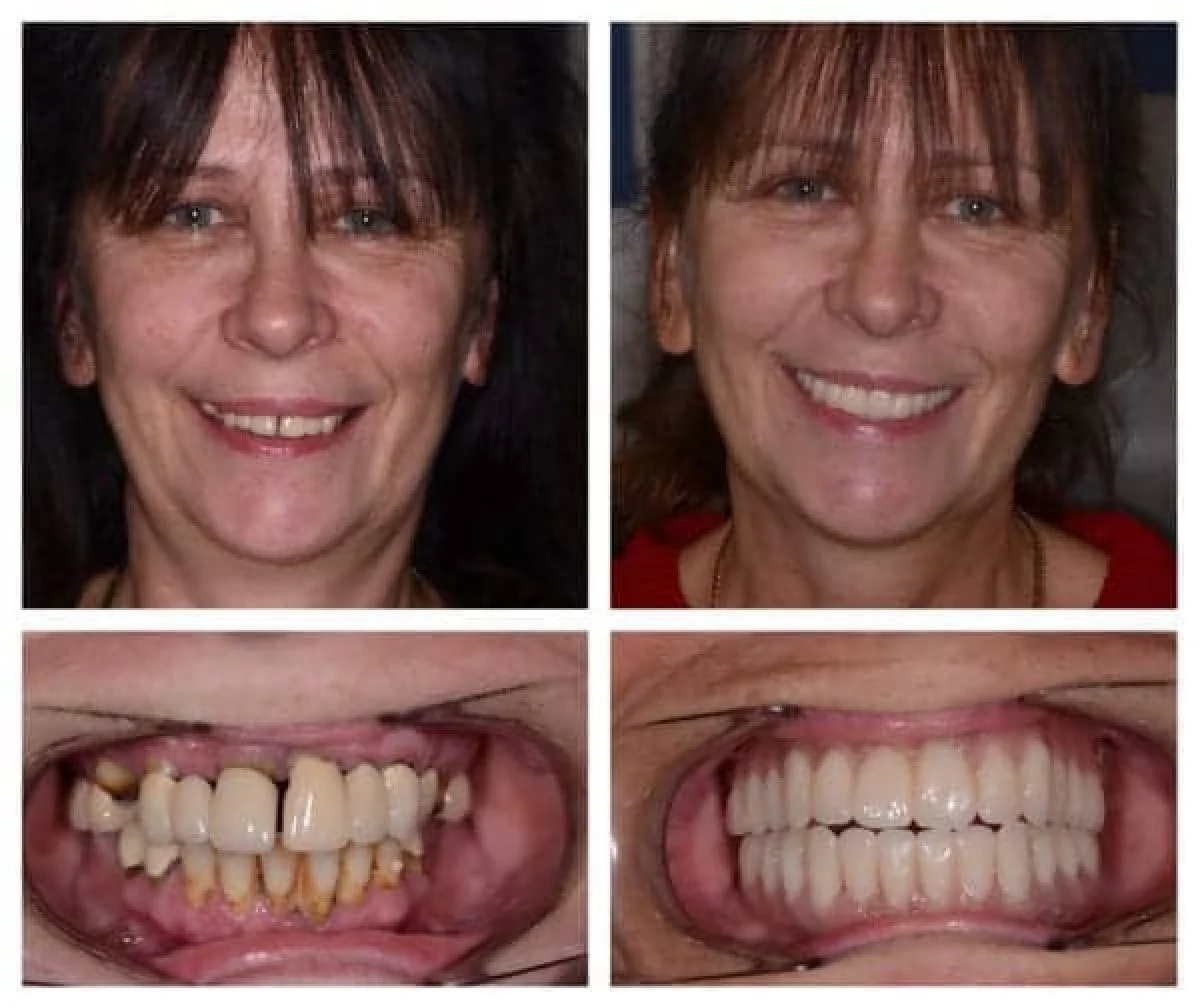
Depending on your needs, treatment may include restorative procedures such as crowns, bridges, gum therapy, extractions, or replacing missing teeth with a dental implant. In cases involving significant tooth loss, Full Mouth Dental Implants may be recommended as a long-term tooth replacement option. Some patients may also consider dentures, depending on their oral health, lifestyle, and treatment goals.
The exact treatment plan varies for every patient following a comprehensive examination.
1. You Have Multiple Missing Teeth
Missing several teeth is one of the clearest signs that a comprehensive treatment plan may be necessary.
When teeth are lost, neighbouring teeth can gradually shift into empty spaces, affecting your bite and increasing the risk of further dental problems. Bone loss in the jaw may also occur over time because the jawbone no longer receives stimulation from natural tooth roots.
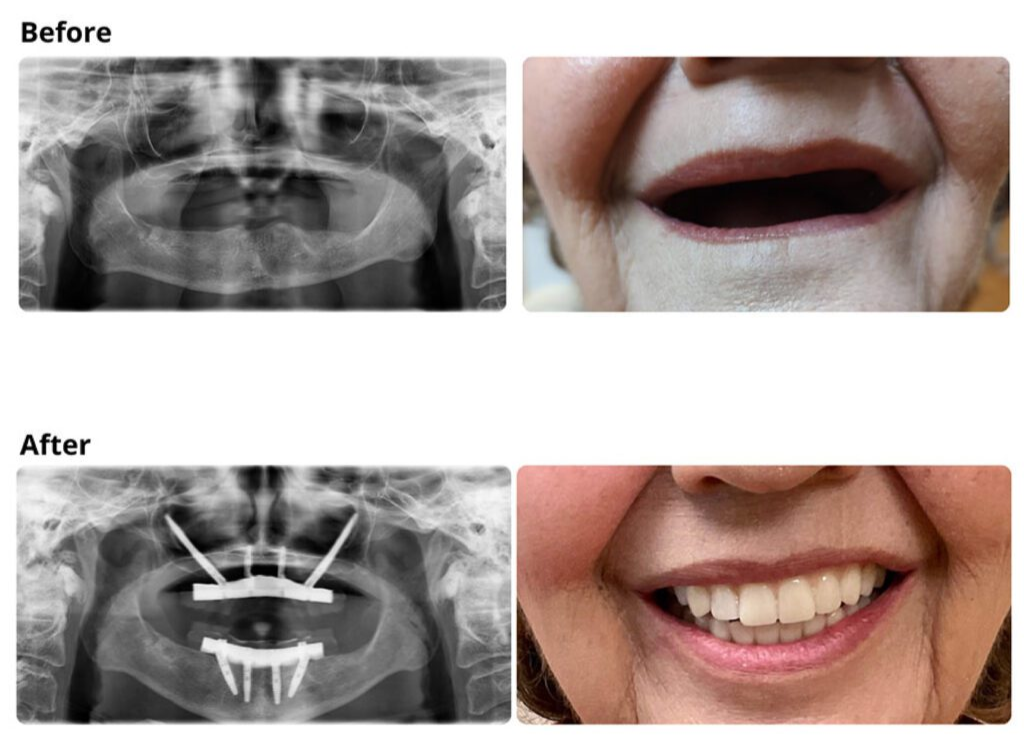
Replacing multiple missing teeth with Full Mouth Dental Implants may help restore chewing function while supporting jawbone health. A dental professional can determine whether implants, dentures, or another restorative option is most suitable.
2. Your Teeth Are Severely Worn Down
Teeth naturally wear over time, but excessive wear may indicate underlying issues such as grinding, acid erosion, or an uneven bite.
Severely worn teeth may become shorter, more sensitive, and less effective for chewing. They may also alter facial appearance by reducing the height of the bite.
A full mouth reconstruction addresses both the cause of excessive wear and the damaged teeth, helping restore function and long-term stability.
3. You Experience Ongoing Tooth Pain
Persistent tooth pain should never be ignored.
Pain may result from deep decay, cracked teeth, infection, or advanced wear. When several teeth are affected simultaneously, treating each one individually may not provide the most predictable long-term outcome.
A detailed assessment allows your dentist to determine whether individual restorations or a more comprehensive treatment plan is appropriate.
4. You Have Advanced Gum Disease
Healthy gums provide the foundation for healthy teeth.
Advanced periodontal disease can damage the gums, supporting bone, and surrounding tissues. As the disease progresses, teeth may loosen or eventually fall out.
Before placing any dental implant, gum disease must be properly managed. Full mouth reconstruction often includes periodontal treatment to improve the health of the supporting structures before restorative procedures begin.
5. You Struggle to Chew Certain Foods
Difficulty chewing is often more than a simple inconvenience.
People may begin avoiding foods that are hard, crunchy, or chewy because eating becomes uncomfortable or difficult. Over time, this can affect nutrition and quality of life.
If chewing problems are caused by multiple damaged or missing teeth, restoring the entire bite may improve function more effectively than repairing individual teeth alone.
6. Your Bite Feels Uneven
An uneven bite may develop gradually, making it difficult to notice until symptoms become more obvious.
Signs may include:
- Teeth meeting unevenly
- Jaw discomfort
- Frequent biting of the cheeks
- Difficulty chewing evenly
- Increased tooth wear
Correcting bite alignment is often an important component of full mouth reconstruction because proper tooth positioning helps distribute chewing forces more evenly.
7. You Frequently Break or Crack Teeth
Healthy teeth are designed to withstand normal chewing forces. However, repeated fractures may indicate weakened tooth structure or excessive pressure caused by bite problems.
If multiple teeth continue breaking despite previous repairs, simply replacing fillings or crowns may not address the underlying cause.
A comprehensive treatment plan focuses on improving the overall stability of the bite while restoring damaged teeth.
8. You Have Numerous Old Dental Restorations
Many adults have fillings, crowns, bridges, or other restorations that have been in place for many years.
Although these restorations can last a long time, they may eventually wear out or fail. When numerous restorations require replacement simultaneously, planning treatment for the entire mouth often provides better long-term outcomes than replacing each one individually over many years.
Your dentist will evaluate the condition of existing dental work and recommend appropriate options.
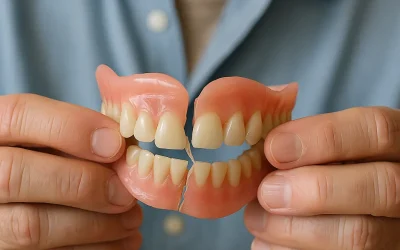
9. Your Dentures No Longer Fit Properly
Traditional dentures may become loose as the jawbone changes shape over time.
Common signs include:
- Slipping while eating
- Difficulty speaking clearly
- Gum irritation
- Reduced chewing ability
- Frequent use of denture adhesive
Some patients with poorly fitting dentures may be suitable candidates for Full Mouth Dental Implants, which provide a fixed alternative for replacing missing teeth. Suitability depends on several factors, including bone availability and overall oral health.
10. Your Oral Health Problems Continue Returning
Repeated dental problems often indicate that isolated treatments are no longer addressing the underlying issues.
If you regularly experience:
- New cavities
- Broken restorations
- Gum inflammation
- Tooth infections
- Bite discomfort
it may be worthwhile discussing whether a comprehensive treatment plan could provide a more stable long-term solution.
Rather than treating individual symptoms as they arise, full mouth reconstruction aims to improve the overall health and function of the mouth.
Who May Benefit From Full Mouth Dental Implants?
Not everyone requiring full mouth reconstruction will need implants. However, Full Mouth Dental Implants may be considered for patients who have lost most or all of their teeth or whose remaining teeth cannot be predictably restored.
Potential benefits may include:
- Improved chewing ability
- Greater stability than removable dentures
- Support for jawbone health
- A fixed replacement solution
- Improved comfort during daily activities
Eligibility depends on several clinical factors, including bone quality, gum health, medical history, and individual treatment goals.
How Is Full Mouth Reconstruction Planned?
Every patient requires a personalised treatment plan.
The process typically begins with a comprehensive examination, which may include:
Clinical Examination
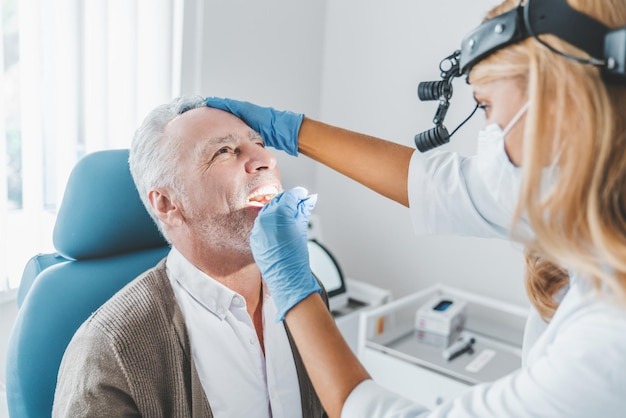
The dentist assesses the condition of the teeth, gums, jaw, and bite.
Digital Imaging
X-rays or 3D scans help evaluate bone levels, tooth roots, and surrounding structures.
Treatment Planning
Following assessment, suitable treatment options are discussed. These may include restoring natural teeth, replacing missing teeth with a dental implant, recommending Full Mouth Dental Implants, or considering dentures where appropriate.
The recommended approach depends entirely on the patient’s clinical situation.
Can Full Mouth Reconstruction Improve Quality of Life?
Many people seek treatment because dental problems begin affecting daily activities.
Difficulty chewing, avoiding certain foods, chronic discomfort, and reduced confidence when speaking or smiling can all impact quality of life.
By addressing multiple dental concerns together, full mouth reconstruction aims to restore comfortable oral function while improving long-term dental health.
Although every patient’s outcome differs, restoring a healthy bite often contributes to better daily comfort and easier maintenance of oral hygiene.
When Should You See a Dental Professional?
If you recognise several of these warning signs, arranging a comprehensive dental assessment is recommended.
Early diagnosis often provides more treatment options and may help prevent further deterioration of teeth, gums, and supporting bone.
The appropriate treatment may involve preserving natural teeth, replacing missing teeth with a dental implant, considering Full Mouth Dental Implants, or exploring suitable dentures based on your individual needs.
If you would like to learn more about your treatment options, contact us to arrange a consultation and receive personalised advice based on your oral health.