
Replacing missing teeth is an important step towards restoring oral function, confidence, and long-term dental health. Among the available treatment options, Full Mouth Dental Implants and traditional dentures are two of the most common solutions for people who have lost most or all of their teeth. While both options restore appearance and chewing ability, they differ significantly in durability, maintenance, comfort, and long-term performance.
At G4 Dental Implants, patients receive care from experienced dental implant specialists who focus exclusively on implant dentistry. Every treatment plan is developed after a comprehensive assessment of oral health, jawbone condition, and individual needs. The goal is to provide patients with clear information about their treatment options so they can make informed decisions based on their lifestyle, oral health, and long-term expectations.
This guide compares All-on-4 and dentures, focusing on which option lasts longer and what factors influence their longevity.
Understanding All-on-4 and Dentures
Before comparing lifespan, it is helpful to understand how these treatments differ.
What Are All-on-4 Dental Implants?
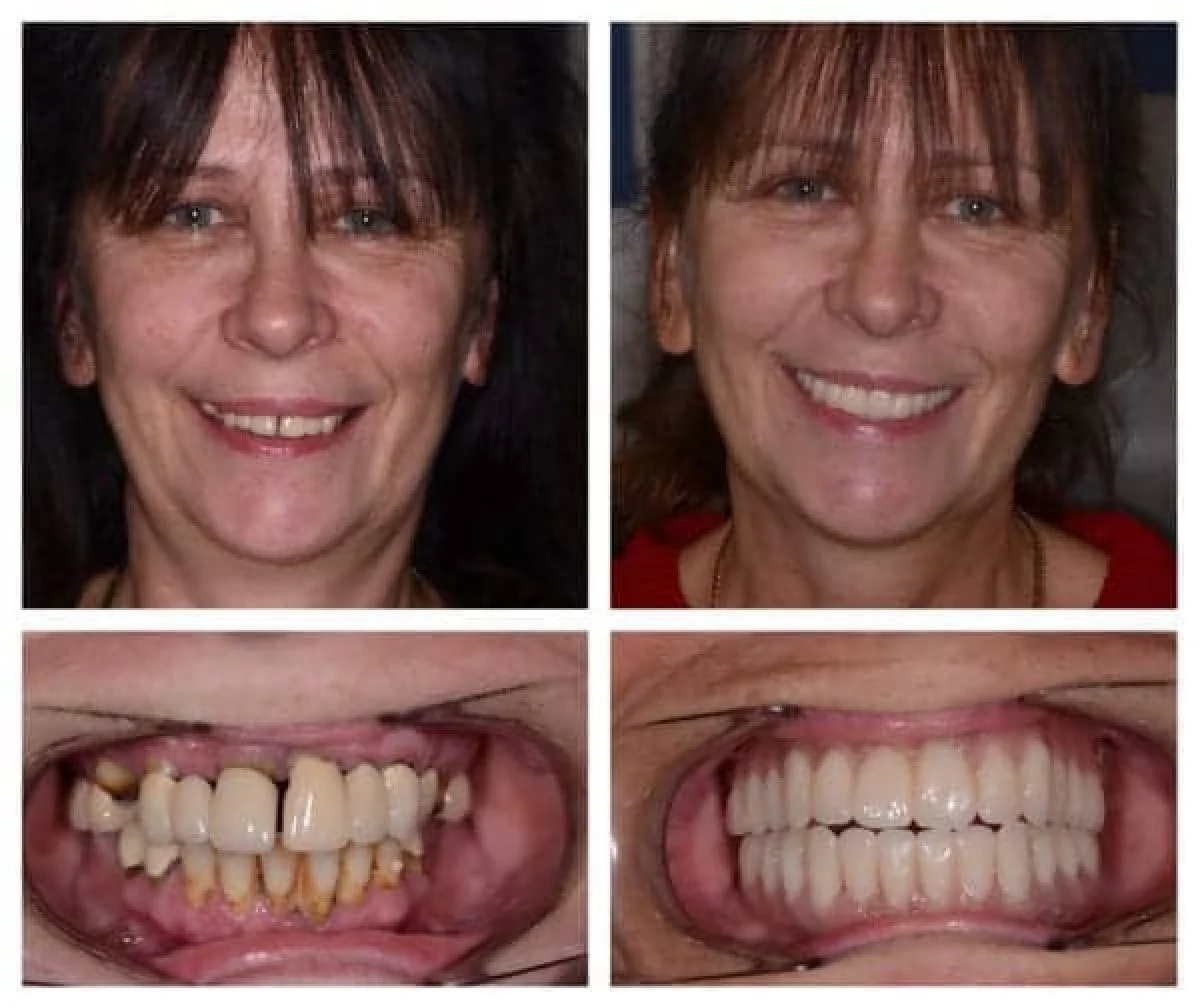
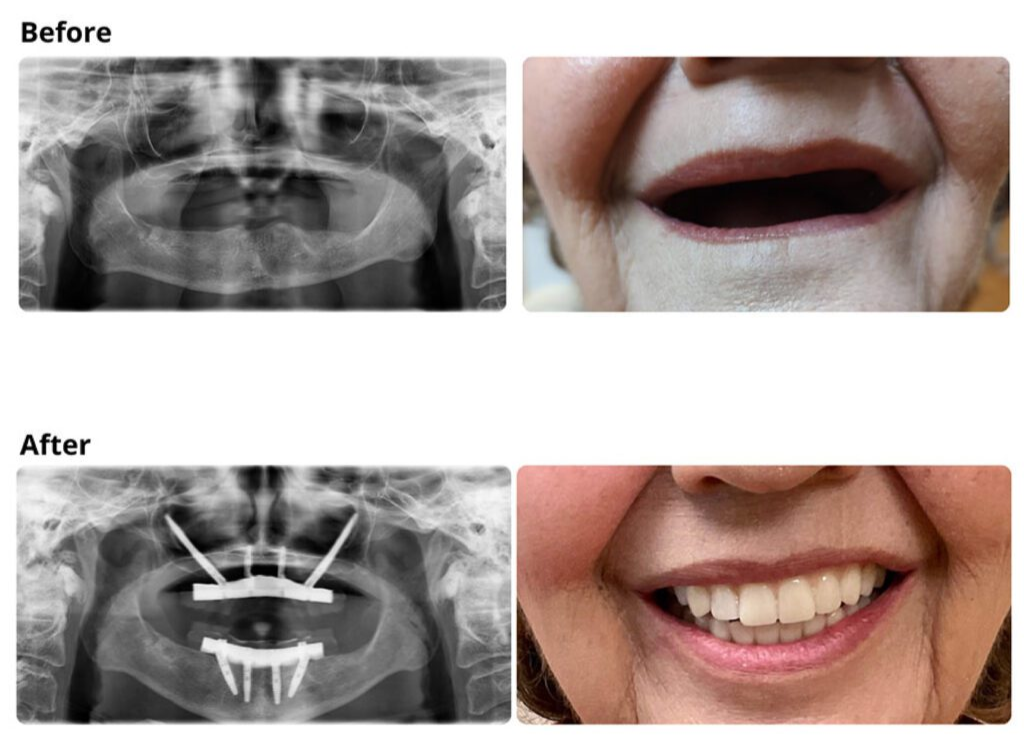
All-on-4 is a treatment that replaces an entire upper or lower arch of missing teeth using four strategically placed implants. These implants support a fixed bridge that remains securely attached and functions similarly to natural teeth.
Unlike removable appliances, an All-on-4 dental implant solution becomes integrated with the jawbone through a natural healing process known as osseointegration. This creates a stable foundation for replacement teeth while also helping preserve bone structure.
Many patients seeking Full Mouth Dental Implants choose All-on-4 because it restores both function and aesthetics with a fixed solution.
What Are Dentures?
Dentures are removable appliances designed to replace multiple missing teeth. They may replace a full arch or only several teeth depending on individual requirements.
Traditional dentures rest on the gums and rely on suction, adhesives, or natural anatomy to remain in place. While they restore appearance and improve chewing ability, they do not stimulate the jawbone in the same way implants do.
Dentures have been used successfully for many years and remain a suitable option for many individuals, particularly when implant treatment is not appropriate.
Which Option Lasts Longer?
When comparing long-term durability, All-on-4 generally offers a longer-lasting solution than removable dentures.
The titanium implants used during treatment are designed to become a permanent part of the jawbone when properly maintained. Although the prosthetic teeth may eventually require maintenance or replacement due to normal wear, the implants themselves can remain functional for decades.
Traditional dentures, however, usually require replacement or adjustment every several years because the gums and jawbone gradually change shape over time.
The exact lifespan varies between individuals, but implant-supported solutions generally require fewer complete replacements than removable dentures.
Average Lifespan of All-on-4 Dental Implants
Several factors contribute to the longevity of an All-on-4 restoration.
Dental Implants
The titanium implants themselves often last 20 years or more and may last a lifetime when maintained with good oral hygiene and regular dental reviews.
Implant Bridge
The bridge attached to the implants experiences normal wear from daily chewing. Depending on the material used and oral habits, it may require repair or replacement after many years of use.
Factors That Influence Longevity
Several factors affect how long a dental implant restoration lasts, including:
- Daily oral hygiene
- Regular professional maintenance
- Smoking habits
- Medical conditions affecting healing
- Teeth grinding
- Overall oral health
Following professional recommendations helps maximise the lifespan of the restoration.
Average Lifespan of Dentures
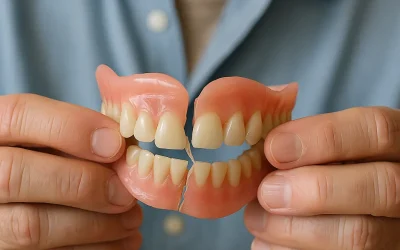
Traditional dentures generally require replacement every 5 to 10 years.
Although the denture itself can remain intact, the mouth naturally changes over time. Bone shrinkage causes dentures to become loose, reducing stability and comfort.
Patients often require:
- Denture relining
- Denture adjustments
- Denture repairs
- Complete denture replacement
These changes occur because dentures do not replace tooth roots or stimulate the jawbone.
Why Bone Loss Matters
One of the biggest differences between implants and dentures is their effect on jawbone health.
Natural teeth stimulate the jawbone every time you bite or chew. Once teeth are lost, that stimulation disappears.
Because traditional dentures simply rest on the gums, they cannot prevent bone resorption. As bone gradually shrinks, facial appearance may change and dentures often become less stable.
By comparison, Full Mouth Dental Implants function like artificial tooth roots. The implants stimulate the surrounding bone, helping maintain jaw structure and reducing long-term bone loss.
Bone preservation contributes significantly to the long lifespan of implant-supported restorations.
Comfort Over the Long Term
Longevity is not only about how long a restoration lasts. Comfort over many years also plays an important role.
All-on-4 Comfort
Because implants are securely fixed within the jaw, patients generally experience:
- Greater stability
- Reduced movement
- Improved chewing ability
- Greater confidence when speaking
- Less gum irritation
Most people quickly adapt to their new teeth because they feel more like natural teeth than removable appliances.
Denture Comfort
While modern dentures are carefully designed for comfort, they may gradually become loose as the jawbone changes.
Some patients experience:
- Pressure spots
- Difficulty chewing harder foods
- Movement while speaking
- Need for denture adhesive
Periodic adjustments help improve fit but cannot completely prevent changes caused by bone loss.
Maintenance Requirements
Proper maintenance affects the lifespan of both treatment options.
Caring for All-on-4 Dental Implants
Implant-supported restorations require consistent oral hygiene similar to caring for natural teeth.
Recommended care includes:
- Brushing twice daily
- Cleaning beneath the bridge using specialised tools
- Regular professional cleaning
- Routine dental examinations
Maintaining healthy gums is essential for protecting the implants.
Caring for Dentures
Dentures require daily removal for cleaning.
Patients should:
- Clean dentures thoroughly every day
- Remove them overnight if recommended
- Store them safely
- Attend regular dental reviews to monitor fit
Proper care helps extend denture lifespan and reduce complications.
Eating and Speaking
Many people compare treatments based on daily function.
Because All-on-4 restorations are securely attached to implants, patients usually enjoy greater chewing efficiency and improved speech compared with removable dentures.
Many individuals find they can comfortably eat a wider variety of foods after treatment.
Dentures also improve chewing compared with having no teeth, but they may shift under pressure, particularly when eating firmer foods.
Individual experiences vary depending on oral anatomy and the fit of the appliance.
Cost Versus Long-Term Value
Initial treatment costs often differ significantly.
Traditional dentures generally involve a lower upfront investment.
However, over time patients may require multiple adjustments, relines, repairs, and complete replacements as the jaw changes.
All-on-4 treatment usually involves higher initial costs because it includes surgery, implants, and a fixed prosthesis.
When considering long-term durability, fewer replacements and better preservation of jawbone health may influence overall value for some patients.
Every patient’s circumstances are different, so treatment decisions should consider oral health, lifestyle, long-term expectations, and professional advice.
Who May Benefit From All-on-4?
All-on-4 may be suitable for people who:
- Have multiple missing teeth
- Wear loose dentures
- Want a fixed solution
- Have sufficient bone for implant placement
- Maintain good oral hygiene
A full assessment determines whether implant treatment is appropriate.
Experienced dental implant specialists evaluate medical history, bone quality, gum health, and treatment goals before recommending suitable options.
Who May Benefit From Dentures?
Dentures may remain appropriate for individuals who:
- Prefer a removable appliance
- Are not suitable candidates for implant surgery
- Have certain medical considerations
- Require a lower initial treatment cost
Dentures continue to provide an effective method of replacing missing teeth for many patients.
Making the Right Choice
Choosing between Full Mouth Dental Implants and dentures involves more than comparing lifespan.
Patients should also consider:
- Overall oral health
- Jawbone condition
- Lifestyle
- Comfort expectations
- Maintenance requirements
- Long-term dental goals
Consultation with qualified dental implant specialists provides personalised recommendations based on individual circumstances rather than a one-size-fits-all approach.
Conclusion
Both All-on-4 and dentures restore missing teeth, improve appearance, and support everyday function. However, when considering long-term durability, All-on-4 generally offers a longer-lasting solution due to the stability of the implants and their ability to preserve jawbone health.
Traditional dentures remain an appropriate treatment for many individuals, particularly where implants are not suitable. Understanding the differences between these options allows patients to make informed decisions that align with their oral health needs and long-term expectations.
At G4 Dental Implants, experienced dental implant specialists assess each patient’s individual needs before recommending suitable treatment options. If you would like to learn more about Full Mouth Dental Implants or discuss whether implant treatment is appropriate for you, contact us to arrange a professional consultation.