Tooth loss can significantly affect daily life, making it difficult to eat comfortably, speak clearly, and smile with confidence. Modern dentistry has transformed the way missing teeth are replaced, and Full Mouth Dental Implants have become one of the most reliable long-term solutions for patients who have lost most or all of their teeth.
At G4 Dental Implants, patients receive care from experienced dental implant specialists who focus exclusively on implant dentistry. Every treatment plan is tailored to the individual’s oral health, bone condition, and long-term goals. The clinic follows a patient-centred approach that prioritises function, comfort, and natural-looking results throughout every stage of treatment.
This guide explains everything you need to know about Full Mouth Dental Implants in 2026, including how the procedure works, who may be suitable, expected recovery, costs, and how implants compare with traditional dentures.
What Are Full Mouth Dental Implants?
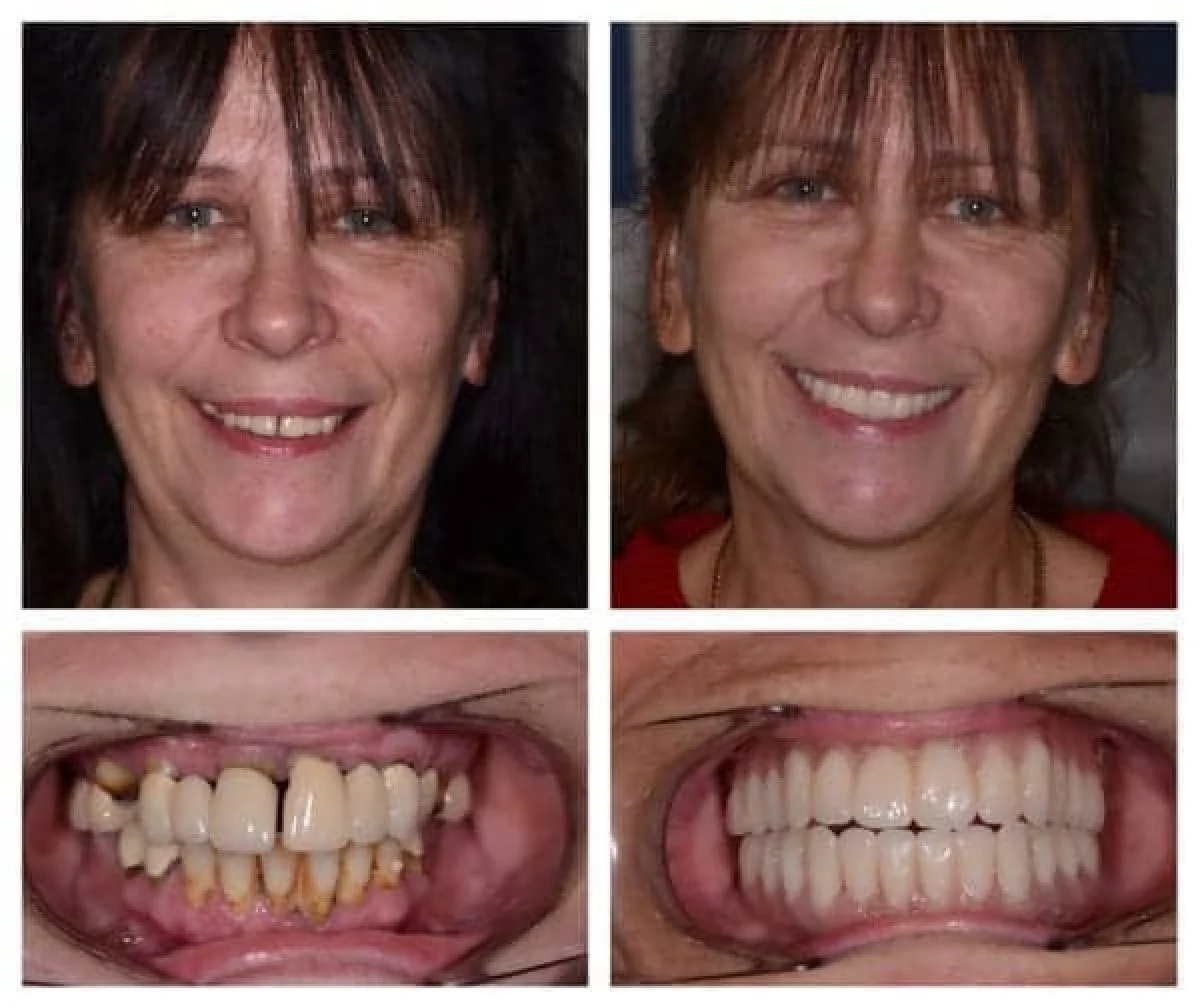
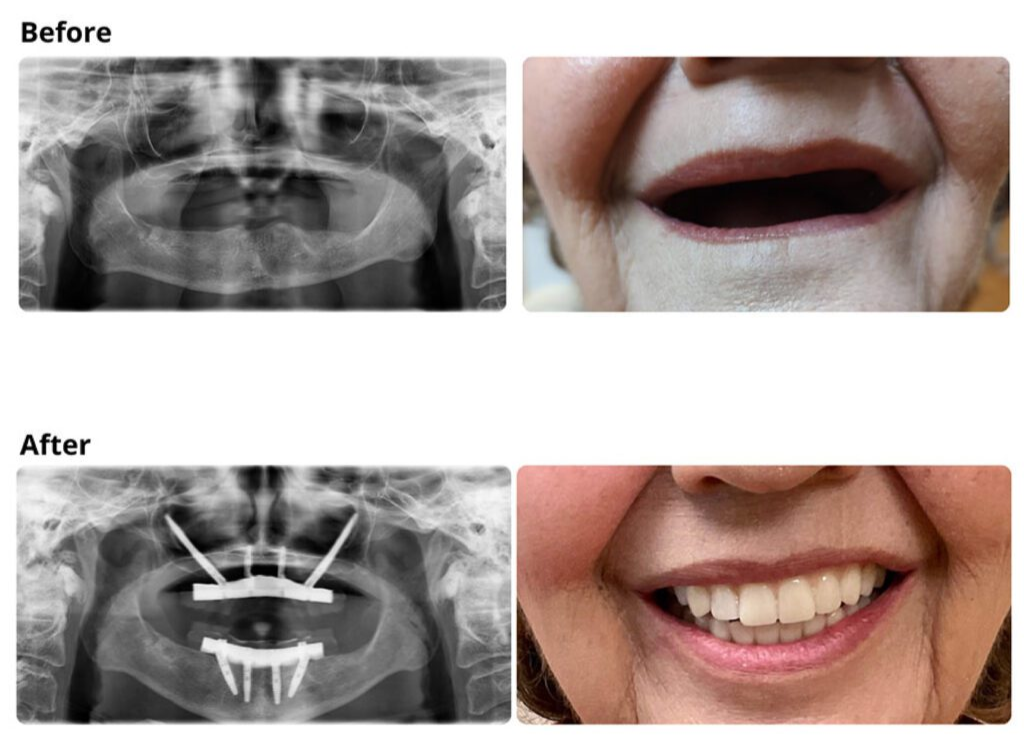
Full Mouth Dental Implants replace an entire upper arch, lower arch, or both using multiple dental implants placed into the jawbone. These implants act as artificial tooth roots and support a full arch of fixed replacement teeth.
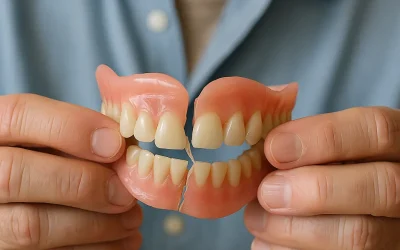
Unlike removable dentures, implant-supported teeth are securely attached, allowing patients to eat, speak, and smile without worrying about movement or slipping.
Modern implant systems are designed to restore both function and appearance while helping preserve jawbone health over time.
Why More Patients Are Choosing Full Mouth Dental Implants in 2026
Dental technology continues to advance, making implant treatment more predictable and efficient than ever before.
Several factors have contributed to the growing popularity of Full Mouth Dental Implants:
- Improved digital treatment planning
- Greater accuracy through 3D imaging
- More comfortable surgical techniques
- Stronger and more natural-looking restoration materials
- Better long-term success rates
Many patients also prefer implants because they offer a fixed solution instead of removable dentures, making everyday activities more convenient.
How Full Mouth Dental Implants Work
A dental implant is a small titanium post that is carefully placed into the jawbone. Over the following months, the implant naturally bonds with the surrounding bone through a process called osseointegration.
Once healing is complete, a custom-designed bridge or full arch restoration is securely attached to the implants.
Depending on the patient’s condition, treatment may involve four, six, or more implants supporting each arch.
This approach distributes chewing forces evenly while creating a stable foundation for replacement teeth.
Who May Benefit from Full Mouth Dental Implants?
Full Mouth Dental Implants may be suitable for people who:
- Have lost most or all of their teeth
- Have multiple failing teeth that cannot be restored
- Are unhappy with loose or uncomfortable dentures
- Want a fixed alternative to removable appliances
- Have adequate jawbone or are suitable for bone grafting if required
Each patient requires a detailed assessment before treatment begins. Digital scans, X-rays, and a complete oral examination help determine the most appropriate treatment plan.
The Full Mouth Dental Implant Procedure
Initial Consultation
Treatment begins with a comprehensive consultation.
During this appointment, the dental team evaluates oral health, reviews medical history, performs digital imaging, and discusses treatment goals.
A personalised plan is then developed based on the patient’s individual needs.
Treatment Planning
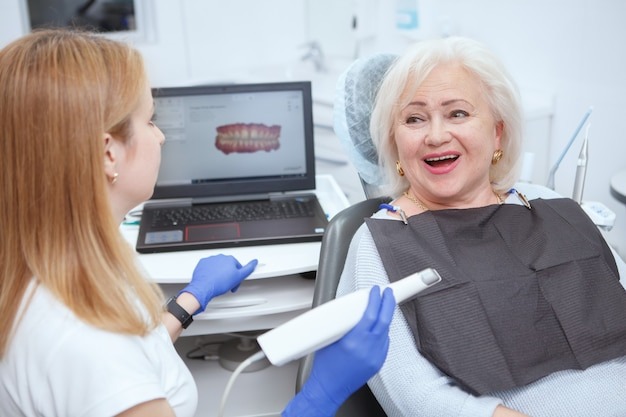
Advanced digital planning allows dental implant specialists to determine the ideal implant positions before surgery.
This planning improves precision and helps achieve predictable outcomes.
Implant Placement
The implants are surgically placed into the jawbone under local anaesthetic or sedation where appropriate.
Some patients may receive temporary replacement teeth on the same day, while others may require a healing period before the final restoration is attached.
Healing Phase
Over several months, the implants integrate with the jawbone.
This biological process creates a strong and stable foundation for permanent replacement teeth.
Final Restoration
Once healing is complete, the custom-designed bridge is secured onto the implants.
The final teeth are designed to provide a natural appearance while restoring chewing efficiency and speech.
Full Mouth Dental Implants vs Dentures
Both implants and dentures replace missing teeth, but they function quite differently.
| Feature | Full Mouth Dental Implants | Dentures |
| Stability | Fixed in place | Removable |
| Chewing ability | Very stable | May move during eating |
| Jawbone support | Helps preserve bone | Does not prevent bone loss |
| Comfort | Secure fit | May require adjustments |
| Speech | Generally more natural | May affect pronunciation |
| Maintenance | Brush like natural teeth | Requires daily removal and cleaning |
Although dentures remain suitable for many patients, Full Mouth Dental Implants often provide improved stability and long-term functionality.
Benefits of Full Mouth Dental Implants
Improved Stability
Implants remain securely fixed during eating and speaking, reducing movement associated with removable dentures.
Better Chewing Function
Patients can typically enjoy a wider variety of foods with greater confidence compared with traditional dentures.
Natural Appearance
Custom restorations are designed to complement facial features while closely resembling natural teeth.
Bone Preservation
Because implants stimulate the jawbone, they may help reduce the bone loss commonly associated with missing teeth.
Long-Term Solution
With proper care and regular dental visits, many implants can last for decades.
Are You a Suitable Candidate?
Not everyone will have identical treatment requirements.
Several factors influence suitability, including:
Overall Oral Health
Healthy gums improve the likelihood of successful implant treatment.
Existing gum disease should usually be treated before implants are placed.
Jawbone Quality
Adequate bone is required to support implants.
If bone loss has occurred, bone grafting procedures may be recommended before or during treatment.
Medical History
Certain health conditions or medications may affect healing.
Your dental team will review your complete medical history before planning treatment.
Recovery After Full Mouth Dental Implant Surgery
Recovery varies from person to person.
Many patients experience mild swelling, tenderness, or bruising during the first few days.
The following recommendations can help support healing:
- Follow post-operative instructions carefully.
- Eat soft foods during the initial healing period.
- Maintain good oral hygiene.
- Avoid smoking where possible.
- Attend scheduled follow-up appointments.
Complete healing usually takes several months while the implants integrate with the jawbone.
Caring for Your Dental Implants
Maintaining Full Mouth Dental Implants is similar to caring for natural teeth.
Daily brushing and flossing remain essential.
Patients should also attend regular professional check-ups and cleanings to monitor implant health.
Good oral hygiene helps reduce the risk of complications and supports long-term success.
How Long Do Full Mouth Dental Implants Last?
The implant posts themselves are designed to be a long-lasting solution.
With appropriate care, many implants remain functional for decades.
The replacement bridge or prosthetic teeth may eventually require maintenance or replacement due to normal wear, but routine dental visits help identify any issues early.
How Much Do Full Mouth Dental Implants Cost?
Treatment costs vary depending on several factors, including:
- Number of implants required
- Need for bone grafting
- Type of final restoration
- Complexity of the case
- Diagnostic imaging and treatment planning
A personalised consultation is the best way to receive an accurate treatment estimate.
Advances in Full Mouth Dental Implants in 2026
Technology continues to improve implant treatment through innovations such as:
Digital Smile Planning
Digital planning allows clinicians to visualise the final result before treatment begins.
3D CBCT Imaging
Detailed three-dimensional scans improve treatment accuracy and help identify anatomical structures.
Computer-Guided Implant Placement
Guided surgery enables more precise implant positioning while reducing surgical variability.
Improved Restorative Materials
Modern ceramic and zirconia restorations provide durability alongside a natural appearance.
Choosing Experienced Dental Implant Specialists
Selecting experienced dental implant specialists plays an important role in treatment planning and long-term outcomes.
Patients should consider:
- Experience with full arch implant cases
- Comprehensive diagnostic technology
- Individualised treatment planning
- Ongoing maintenance and follow-up care
- Clear communication throughout the treatment process
A thorough consultation helps patients understand their options before making a decision.
Final Thoughts
Full Mouth Dental Implants continue to represent one of the most effective long-term solutions for replacing missing teeth in 2026. They provide improved stability, support everyday function, and help preserve jawbone health compared with traditional dentures.
At G4 Dental Implants, experienced dental implant specialists provide personalised assessments and evidence-based treatment planning to help patients understand their options. Every patient’s needs are different, and a professional consultation is the best way to determine whether implant treatment is appropriate.
If you would like to learn more about Full Mouth Dental Implants or discuss your individual treatment options, contact us to arrange a consultation with the team.