Replacing missing teeth with a dental implant can restore function, improve comfort, and support long-term oral health. While many people spend time researching the implant procedure itself, fewer understand what daily life is like once treatment is complete. Knowing what to expect after treatment can help patients prepare for recovery, establish healthy habits, and achieve long-lasting results.
At G4 Dental Implants, patients receive care from a team focused exclusively on implant dentistry. Every treatment plan is developed according to the patient’s oral health, bone condition, and long-term goals. Whether replacing one tooth or considering Full Mouth Dental Implants, understanding life after treatment is just as important as understanding the procedure itself.
This guide explores what many patients wish they had known before receiving dental implants, including recovery expectations, eating habits, oral hygiene, lifestyle changes, and long-term maintenance.
Understanding Life After Dental Implants
Receiving a dental implant is not simply about replacing missing teeth. It is also about adapting to a healthier and more functional smile over time. The recovery process differs from person to person, depending on factors such as overall health, the number of implants placed, and whether bone grafting or additional procedures were required.
Many patients are pleasantly surprised by how natural their implants feel once healing is complete. However, there are adjustments during the first few weeks that are easier to manage when expectations are realistic.
The healing period involves more than waiting for discomfort to disappear. During this time, the implant gradually integrates with the jawbone through a natural biological process known as osseointegration. This foundation is what gives dental implants their long-term stability.
The First Few Days After Implant Surgery
The first few days are usually when patients notice the greatest changes. Mild swelling, bruising, tenderness, and slight discomfort are common after implant placement. These symptoms generally improve within several days when post-operative instructions are followed carefully.
Patients often wish they had known that some temporary dietary adjustments would be necessary. Soft foods are typically recommended while the surgical site begins to heal. This helps protect the implant and reduces unnecessary pressure during the early stages of recovery.
Common soft food options include:
- Yoghurt
- Mashed vegetables
- Smooth soups
- Scrambled eggs
- Oatmeal
- Smoothies without straws if advised by the dental team
Most patients gradually return to their normal diet as healing progresses and their dental professional confirms that it is safe to do so.
Recovery Takes Longer Than the Initial Healing
One of the biggest misconceptions is that recovery ends once discomfort disappears. While most visible healing occurs within a few weeks, the implant continues integrating with the jawbone for several months.
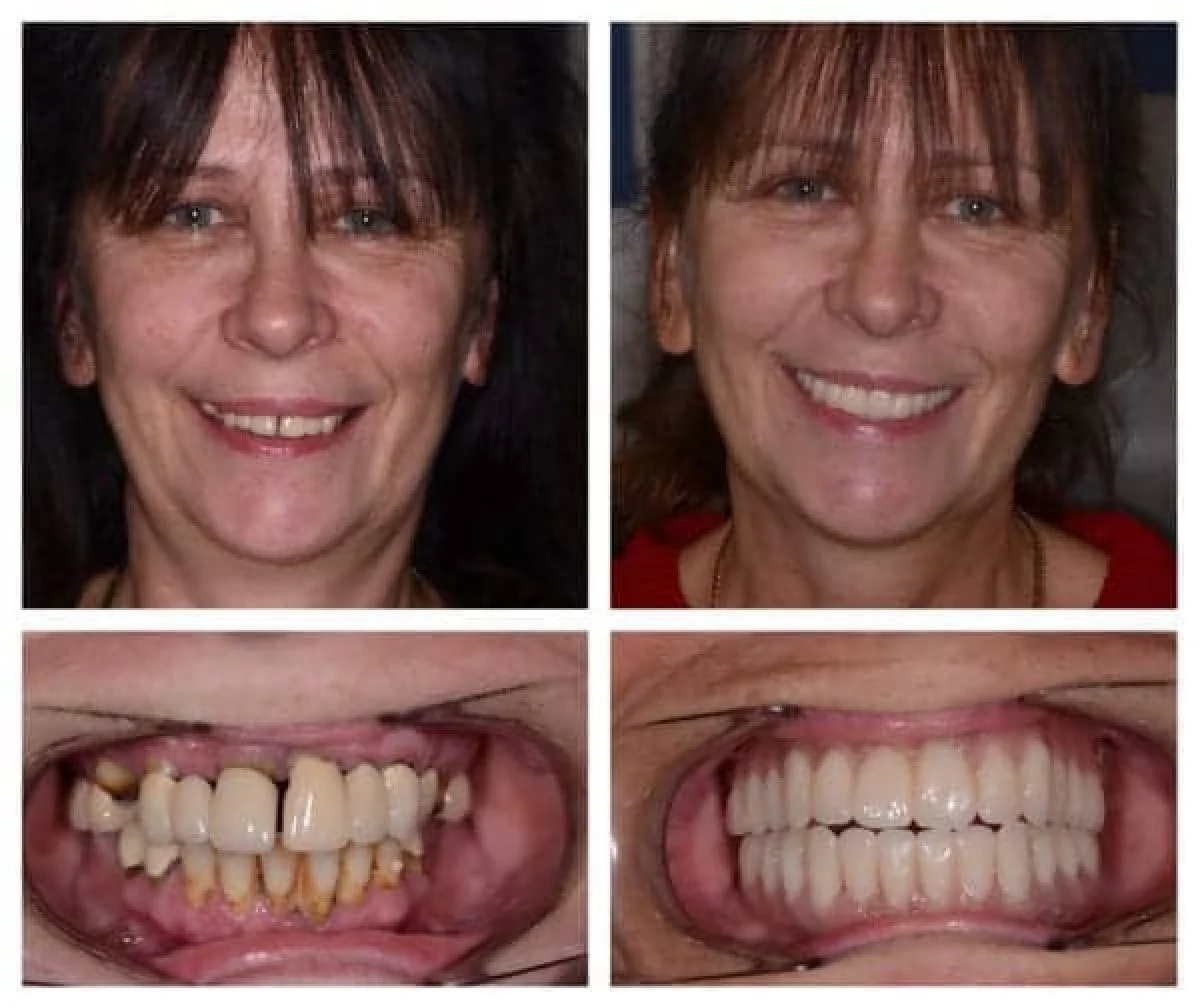
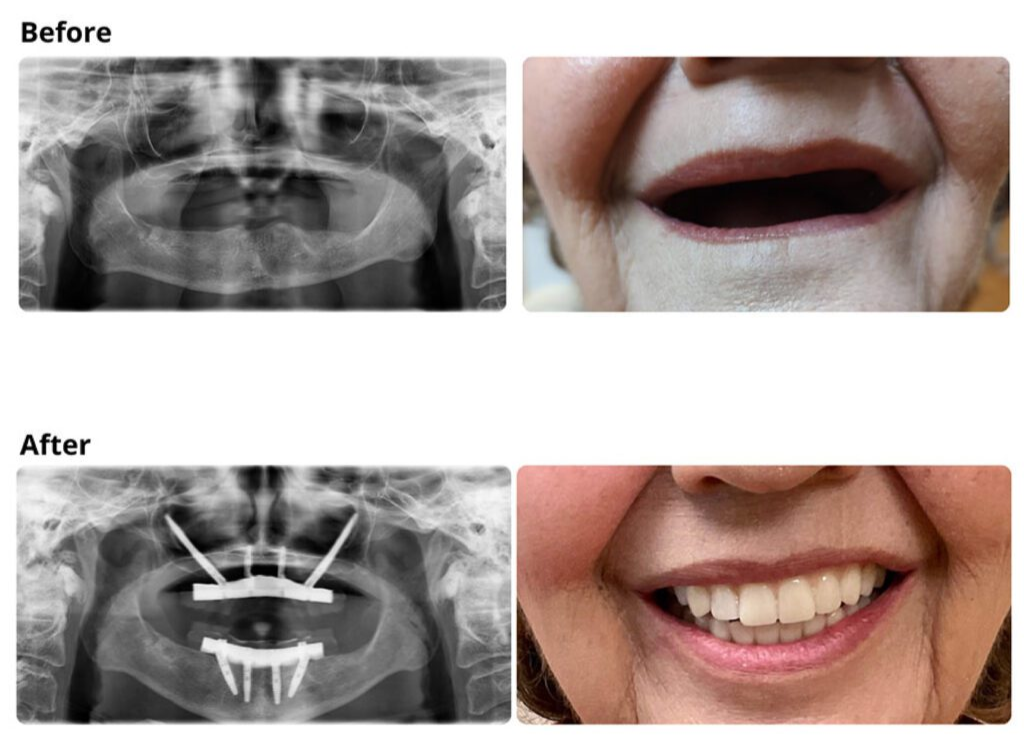
Patients sometimes expect immediate permanent results, particularly after seeing before-and-after photographs online. In reality, successful implant treatment involves multiple stages designed to maximise stability and long-term success.
Your dental team will schedule follow-up appointments to monitor healing and ensure the implant is progressing as expected before placing the final restoration when required.
Eating Feels Different Before It Feels Normal
Many patients are eager to enjoy their favourite foods again. While implants eventually allow people to chew comfortably, eating may initially feel unfamiliar.
The muscles, gums, and bite may need time to adapt. Patients often describe this adjustment period as learning to trust their new teeth again.
After complete healing, many people can comfortably eat foods that were previously difficult with missing teeth or loose dentures, including:
- Apples
- Steak
- Nuts
- Fresh vegetables
- Crusty bread
The ability to enjoy a wider variety of foods is one reason many people choose Full Mouth Dental Implants instead of removable dentures.
Dental Implants Feel More Like Natural Teeth
Patients who have worn removable dentures for years are often surprised by how secure implants feel.
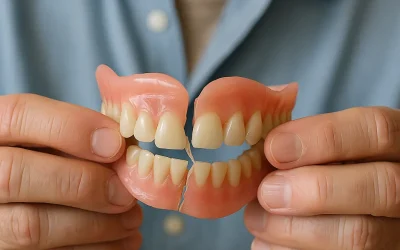
Unlike traditional dentures that sit on top of the gums, a dental implant is anchored into the jawbone. This creates greater stability during eating and speaking.
Many patients report improvements in everyday activities such as:
- Speaking clearly
- Smiling confidently
- Chewing comfortably
- Laughing without worrying about movement
- Feeling more comfortable during social situations
These improvements often become more noticeable as patients become accustomed to their new teeth.
Oral Hygiene Remains Essential
Some patients mistakenly believe implants cannot develop problems because they are artificial teeth. While implants cannot develop tooth decay, the surrounding gum tissue and supporting bone still require proper care.
Good oral hygiene helps reduce the risk of inflammation around implants, which can affect their long-term stability.
Daily care generally includes:
Brushing Twice Each Day
Use a soft-bristled toothbrush to clean around the implant and gumline thoroughly.
Cleaning Between Teeth
Floss or use implant-friendly cleaning tools recommended by your dental professional.
Routine Professional Check-ups
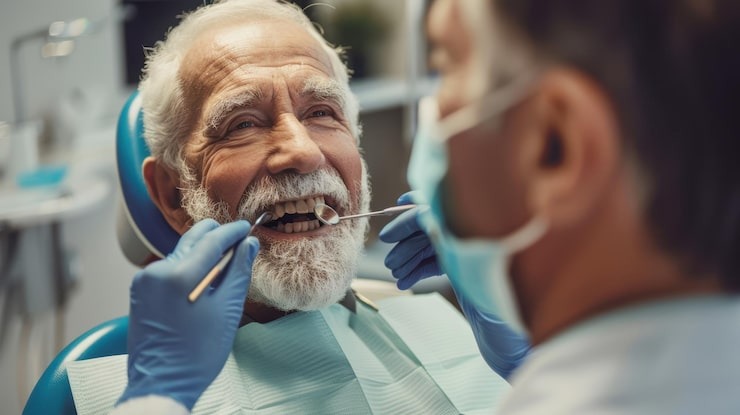
Regular examinations allow your dentist to monitor implant health and professionally remove plaque and calculus.
Patients who maintain consistent oral hygiene often enjoy successful implant outcomes for many years.
Full Mouth Dental Implants Require Ongoing Care
Patients receiving Full Mouth Dental Implants sometimes assume maintenance is no longer necessary because all teeth have been replaced.
In reality, routine care remains extremely important.
The implants, surrounding gum tissue, and prosthetic teeth all benefit from regular professional maintenance and home care.
Patients should continue attending scheduled appointments so the dental team can:
- Assess implant stability
- Examine gum health
- Check bite alignment
- Professionally clean around implants
- Identify any concerns early
Preventive care helps support long-term function and comfort.
Lifestyle Habits Can Influence Implant Success
Many patients are unaware that certain lifestyle habits can affect implant healing and longevity.
Smoking, uncontrolled diabetes, poor oral hygiene, and excessive teeth grinding may increase the risk of complications.
Patients can support healing by:
Following Post-operative Instructions
Every recommendation provided by the dental team is designed to protect the implant during recovery.
Maintaining Good Nutrition
A balanced diet supports healing and overall oral health.
Managing Health Conditions
Conditions such as diabetes should be well controlled before and after treatment where possible.
Wearing a Night Guard if Recommended
Patients who grind their teeth during sleep may benefit from additional protection for their implant restorations.
Why Some Patients Choose Dental Implants Instead of Dentures
Many individuals considering tooth replacement compare implants with traditional dentures.
Although dentures remain an appropriate treatment for some patients, implants offer several potential advantages depending on individual circumstances.
Improved Stability
Dental implants remain securely anchored within the jawbone rather than resting on the gums.
Bone Preservation
Unlike removable dentures, implants help stimulate the jawbone, which may reduce bone loss over time.
Greater Comfort
Many patients appreciate not needing adhesives or worrying about denture movement.
Better Chewing Function
Implants often allow patients to eat a wider variety of foods more comfortably after healing.
The most suitable option depends on each person’s oral health, medical history, and treatment goals.
The Emotional Adjustment Is Often Overlooked
Another aspect many patients wish they had known is the emotional adjustment after treatment.
People who have experienced missing teeth or uncomfortable dentures for years may initially feel unusual with fixed replacement teeth.
This adjustment period is completely normal.
As patients become familiar with their new smile, many report greater confidence during conversations, meals, photographs, and social interactions.
The improvement is often gradual rather than immediate, making patience an important part of the overall journey.
Setting Realistic Expectations Leads to Better Outcomes
Understanding the treatment timeline helps reduce unnecessary concerns during recovery.
Patients should remember that:
- Healing occurs in stages.
- Temporary dietary changes are normal.
- Follow-up appointments are important.
- Excellent oral hygiene remains essential.
- Long-term success depends on ongoing maintenance.
Having realistic expectations allows patients to focus on steady progress rather than immediate perfection.
Choosing Experienced Implant Care
Implant treatment requires careful assessment, detailed planning, and ongoing monitoring.
At G4 Dental Implants, every patient receives an individual treatment plan based on their oral health needs and treatment objectives. Whether replacing a single missing tooth or considering Full Mouth Dental Implants, understanding what happens after treatment helps patients prepare for successful long-term outcomes.
Patients who have questions about implant treatment, recovery, or available treatment options are encouraged to contact us to discuss their circumstances with the dental team.